
When you live with acid reflux, it is hard to get excited about food. The chili cheese dog that your friends just love may taste great going down, but it definitely does not retain that flavor on the way back up.
While most people have experienced the symptoms of acid reflux, far fewer actually experience the disease itself. The technical term is gastroesophageal reflux disease (GERD). This is not just an occasional problem when you eat certain kinds or quantities of foods.
It is a long-term condition that could eat away at the strength of your esophagus and cause deeply concerning long-term issues. In the following article, we will be discussing what it means to have this disease. We will also discuss the common (and not-so-common) symptoms.
Lastly, we will hit on some of the things you can do to manage it. But let's start with the question that any sufferer of GERD has on their minds.
What Causes Acid Reflux?
Acid reflux, as we have already graphically alluded to, is when the contents of the stomach rise back up into the esophagus to the back of the throat. The symptoms, which we'll be getting into in greater detail in a moment, can include acidic taste in the mouth, bad breath, and heartburn.
The symptoms involved can be one or many, and they can last for two hours or more after a meal. They also can effectively kill your enthusiasm for eating, which is sad if you like food as much as we do!
But enough about symptoms (for now). Why does it actually happen? That's due to a weakness or deficiency in the lower esophageal sphincter that causes it to improperly close.
The sphincter is a junction point that separates the stomach from the esophagus. When that's not working properly, then that acid bath your food takes after you swallow it can end up reintroducing itself.
Not a pleasant experience.
Some people improperly attribute GERD to stress. While stress can cause its share of problems, there isn't currently any hard evidence to back it as a contributing factor to the development of acid reflux.
That hasn't stopped survey participants from pointing the finger of blame at it. In fact, a clear majority of people living with GERD or frequent symptoms of it feel stress triggers it, but there are no connections between the amount of stomach acid in the esophagus and stress the way there are acid and food indicators.
So now that we've established what the common causes of this disease are, let's move into what some of the symptoms are.
What Are the Symptoms of Acid Reflux?
If you have noticed any one or combination of the following with greater frequency, then you may be suffering from the GERD form of acid reflux.
Even if you're not, though, you should make note because there are treatments that can help, and we'll get into those in a moment. But first, are any of these happening to you?
- Acid taste in the mouth: The acidic taste that comes from regurgitation into the esophagus is not unusual, but that doesn't make it any more endurable. To understand why this happens, you have to know something about how digestion works. It starts with the chewing process. That food is supposed to end up in your small intestine, but as it makes that trek, it combines with digestive juices to aid in nutrient absorption and expulsion of waste from the body. That process can get a little messy, and your lower esophageal sphincter is supposed to keep that mess contained. When it doesn't, it's hello lunch.
- Weakening of teeth: If you've ever been forced to bite someone or chew through an especially stubborn piece of meat, then it might be hard to believe your teeth are these delicate objects that need constant care and upkeep. However, that's precisely the case. You brush at least twice a day. You floss. You visit the dentist for a checkup twice annually. These are necessary steps because sugars, starches, and bacteria can reek havoc on those pearly whites. Chronic acid reflux is another concern to pile on top of it because, remember, you're dealing with acids here. The more it washes up through the esophagus, the more likely it will eat away at the protective enamel of your teeth, leaving them more susceptible to tooth decay.
- Breathing difficulties: Difficulty breathing can be a common symptom of acid reflux because air moves through your esophagus, but when it has to share that airspace with stomach acid, it can create great discomfort and prevent you from taking strong, deep breaths.
- Vomiting: Acid reflux in more severe cases can create nausea, which can lead to vomiting. This usually happens as a result of other symptoms. You've already got the stomach contents reintroducing them into your system to worry about. On top of that, there's the burping, coughing, the inability to properly move air through your respiratory system. These stressors have been known to escalate to nausea and vomiting.
- Chest pain: Sometimes individuals suffering the effects of acid reflux can see heart attacks where none exist. That's not to lessen the effect of what they're feeling or to say there's nothing to worry about and they're just being hypochondriacs. That isn't the case at all. While GERD is a usually non-serious condition, it can produce unusual effects reflective of more serious conditions. If you're feeling chest pains, it's a good idea to get checked out, even if you're certain it's just an effect from the acid reflux. Don't gamble with the heart.
- Heartburn: Heartburn is a slightly different sensation from chest pains. While chest pains can produce a hard, stabbing pain in the chest, heartburn is pretty self-explanatory. It affects the same general area as your chest pains, but it's more of a burning sensation.
What Are Some Common Complications?
If acid reflux was just an occasional unpleasantness in which we're forced to re-taste more disgusting versions of foods we've already eaten, it wouldn't be so bad.
Unfortunately, it also can lead to more serious complications. Here are a few to watch out for:
- Esophagitis: this condition occurs when chronic inflammation causes damage to the tissues of esophagus. Symptoms of it include difficulty swallowing, pain while swallowing, chest pains behind the breastbone, food sticking in the esophagus after you swallow it, and, of course, acid regurgitation and heartburn.
- Esophageal strictures: these are also called peptic strictures. It occurs when the esophagus narrows or tightens as a result of acid reflux. It can cause many of the same symptoms as well as vomiting blood and drastic weight loss.
- Barrett's esophagus: this escalation of acid reflux, if we had to rank in terms of seriousness, would be at the top of the list. It occurs when the esophageal tissue connecting mouth to stomach starts to morph into something similar to your intestinal lining.
- Medical science isn't sure why this happens, which does little to ease the fears surrounding it. If you are diagnosed with this condition, then you run a greater risk of developing esophageal cancer.
- Esophageal cancer: this rare form of cancer is most common among white men. Each year, the American Cancer Association notes, around 17,000 new cases are diagnosed and nearly 16,000 die from it.
- The ACA continues: Although many people with esophageal cancer will go on to die from this disease, treatment has improved and survival rates are getting better. During the 1960s and 1970s, only about 5% of patients survived at least 5 years after being diagnosed.
Now, about 20% of patients survive at least 5 years after diagnosis. This number includes patients with all stages of esophageal cancer. Survival rates for people with early stage cancer are higher.

Women going through pregnancy experience acid reflux more than most, but there are remedies that can be put to use to reduce the effects.
Who Is at Risk?
So we know what acid reflux is and just how bad it can get. What about risk factors? Are there certain groups or behaviors where it's more susceptible?
Well, of course. But in a bit of good news/bad news, it's not always avoidable. Here are just some of the groups and behaviors most likely to experience it:
- Pregnant mothers: if you've ever thought of starting a family the old-fashioned way, then you've just got to get ready for acid reflux to become a part of that nine-month period. Pregnancy comes with weight gain, strange cravings, and limited capacity in the abdominal region. After all, you do end up sharing space with another human being! As a result, some of those foods are going to be difficult keeping down. Small amounts of food each meal, slower eating pace, and taking sips of liquids instead of gulps can help deal with the issue. Also, consider sitting or standing after a meal. Don't lie down, and don't eat before bed. Try to stay elevated when you're in bed at night, and make note of foods that trigger you. Lastly, wear loosely-fitting clothes that won't apply excessive pressures to the abdominal area.
- Obese people: When you overeat or suffer from a glandular condition that makes it easier to gain weight, you end up applying greater amounts of pressure on your digestive system. Acid reflux is a natural outcome of that. The best way for dealing with it is to lose weight. While there are many systems out there that will try to get you to gimmick your way to weight loss, the best approach is to change your lifestyle. Eat healthier foods. Eat less overall. Exercise. Have someone or something in your life who can hold you accountable. While things like keto diets or paleo diets can be great for jumpstarting the weight loss process, you want to balance those with good long-term decision-making to ensure the weight stays off. If your condition can't be affected by diet and exercise so easily, see a doctor. You may have a glandular condition preventing you from achieving your weight loss goals. In those cases, a prescription medication may be necessary.
- Smokers: we can't say anything about what a terrible health choice smoking is that the Surgeon General of the United States hasn't already covered. On top of everything it does to your lungs, it also can weaken the esophagus and make it more susceptible to reflux. Best tip: stop smoking!
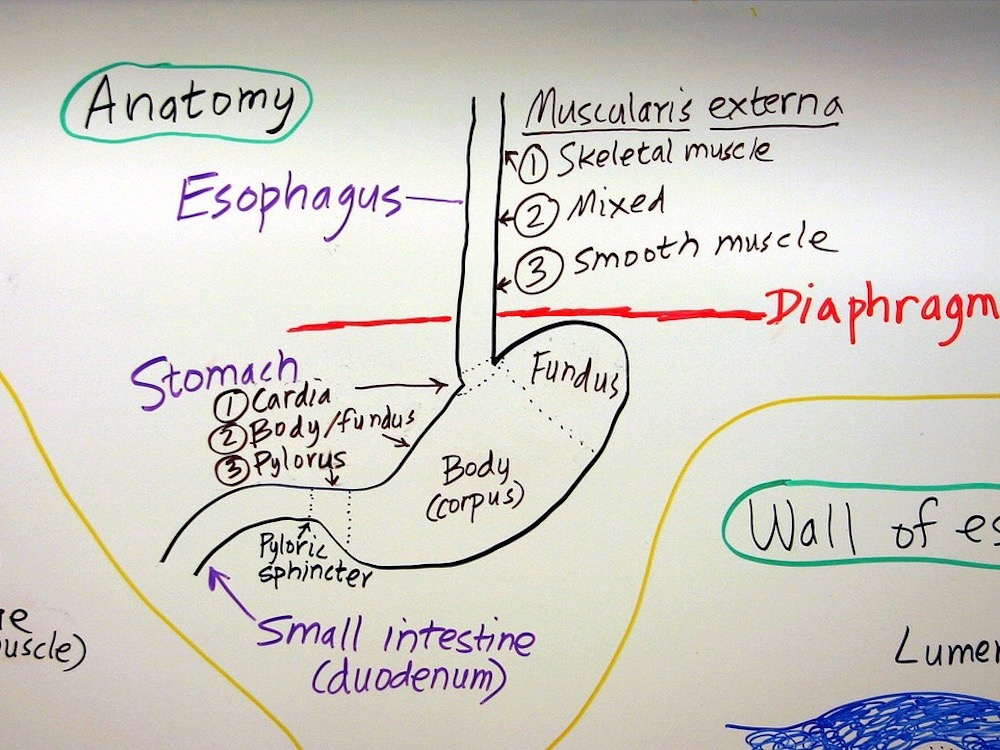
- Individuals with hiatal hernia: this condition can create undue pressure on the abdominal cavity as well. Here's how it works. Your abdomen and chest have a large muscle separating them from one another. This is called the diaphragm. When the upper portion of the stomach bulges through that muscle, it goes through an opening called the hiatus. This is what creates a hiatal hernia. The esophagus runs through the hiatus before it connects to the stomach. A large hiatal hernia may push food and acid upward into your esophagus. In some cases, it may require surgical repair.
- Patients on certain medications: some of the greatest offenders include antibiotics, bisphosphonates, iron supplements, quinidine, Advil, Motrin IB, aspirin, potassium supplements, Ditropan XL, amitriptyline, doxepin, calcium channel blockers (which slow the digestive process), nitrates, opioids, sedatives, and tranquilizers. Antidepressants like amitriptyline and doxepin also may worsen the condition.
- Sleep medications and sleeping styles: one of the worst times for acid reflux sufferers is nighttime. In fact, the National Sleep Foundation's Sleep in America poll found that GERD is the third most common gastrointestinal disorder in the nation as well as one of the leading causes of disturbed sleep among people between the ages of 45 and 64. Some individuals will decide to medicate their way to a successful night's sleep, but medications may have the opposite effect and only serve to exacerbate the problem. It's important to consult with a doctor before taking anything.
Also, try some of these remedies: Eat at least two hours before bed. Don't sleep flat on your back. If you're a side-sleeper, sleep on your left side as the right side tends to relax the lower esophageal sphincter, making it easier for acids to escape fro the stomach.
Are There Medications for Acid Reflux?
According to WebMD, proton-pump inhibitors including Nexium, Prevacid, and Prilosec are over-the-counter medications that are good for treating heartburn. Doctors also may provide stronger prescriptions for conditions that don't respond well to OTC.
Antihistamines also are effective alternatives when it comes to reducing the amount of stomach acids, but you do need to be careful with this. As with antibiotics, they can put you at risk for a condition known as Clostridium difficile, or C. diff., which is far worse than any amount of acid reflux could ever be.
C. diff. causes conditions such as nausea, loss of appetite, and fever. It also ensures that pretty much everything you do eat ends up exiting the body in fiery, frequent, and ferocious diarrhea.
A bout with C. diff. can sideline you for months and even be life-threatening, especially in the elderly.
What Procedures Are Associated with It?
If you're uncertain about whether acid reflux is just a small infrequent problem or GERD, you may want to get checked out by a professional. Here are a few of the medical procedures you're likely to encounter.
- Gastroscopy: this is where an endoscope evaluates the esophagus, stomach, and duodenum. The endoscope is a tube with a light and a camera attached.
- Upper GI series: an upper gastrointestinal series, or UGI, provides X-ray imaging of the upper GI tract. The process is initiated by the patient swallowing barium or a water-soluble contrast.
- Esophageal pH monitoring: Medline Plus calls this the current gold standard when monitoring for GERD. During the process, a thin tube enters through the nose or mouth and is snaked down to the stomach. The tube then comes back up through the esophagus. While there, it uses a monitor for testing the acid levels present.
- Esophageal manometry: similar to pH monitoring. The tube is inserted through an anesthetized nostril. Instead of measuring acid levels, it tests the pressures that are generated by the generated by the esophageal muscles and lower esophageal sphincter.
What Treatments Are There?

You have more options than you think when it comes to dealing with acid reflux. Much of it can be handled in food and lifestyle choices, and there are tips aplenty to reduce the effects or eliminate them altogether.
But it may not come easy, particularly if you're drawn to the taste of some of the offending foods.
Let's start with some of the lifestyle moves that you can make.
Chew more gum
This may seem like a silly one, but the act of chewing gum will produce more saliva, and this can help to neutralize acids. Do be careful with this one, though. You don't want to chew the wrong type of gum (i.e. where sugar is a primary ingredient).
Look for gums that are approved by the American Dental Association. This gives you the positive effects of gum chewing without having to worry about doing damage to your teeth.
Track your personal trigger foods
Individuals with acid reflux will react differently to trigger foods. Be aware of the foods that exacerbate your symptoms and either avoid them altogether, or, if you must eat them, plan to mitigate the effects by making good food choices during other meals throughout the day and week, and consider topping off the meal with an antacid.
Drink lots of water
Different doctors and nutritionists will give you their personal acceptable numbers for the quantity of water to drink in a day. About 100 ounces as a minimum is a good rule of thumb.
Water helps with acid reflux because it better facilitates the digestive process. It also helps your muscles to function better when engaged in exercise. On that subject
Exercise, exercise, exercise
Start where you are, and stay active. Do a little more than you did the workout before with each new activity. Exercise helps you deal with acid reflux by making it easier to reduce weight.
Eliminate stress as much as possible
Even if there is no clear indicator that stress is a cause of acid reflux, it can certainly influence your decision-making and lead you to behaviors that contribute to or worsen the symptoms of acid reflux physiologically.
By finding time for yourself each day, reducing time spent with stressful people, and incorporating more meditation into your daily wellness plan, you can better control acid reflux.
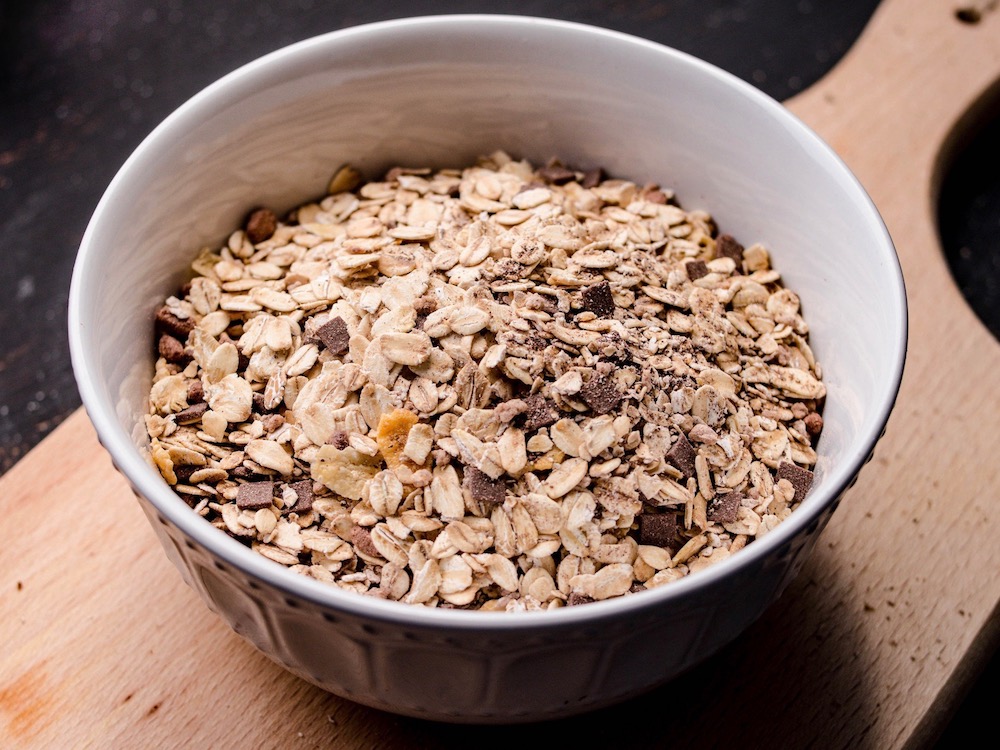
Oatmeal is one of the best foods that you can eat to try and combat the effects of acid reflux.
Now that we've covered the lifestyle changes, here are some quick dietary suggestions:
- Eat more oatmeal.
- Drink 1 percent or skim milk, or any of the nut milks.
- Focus on less acidic fruits. Target bananas and apples especially.
- Eat carrots and greens in the veggie department.
- Focus on lean meats, no-salt-added fish, egg whites and egg substitutes for proteins.
- Healthier, fat-free or low-fat cheeses like feta, cream cheese, or soy cheese.
- Embrace the grains (white or multi-grain bread, cereal, bran or oatmeal, cornbread, Graham crackers, pretzels, rice, and rice cakes)
- Stick with healthier desserts (non-citrus fruits, Angel food cake, pistachios, almonds, low-fat yogurt, peaches, melons, pudding, and cottage cheese)
While food and lifestyle changes may not be a complete remedy, they can help alleviate some of the more severe symptoms and allow you to feel more in control of your acid reflux problem.
In Closing
Acid reflux may not be a life-threatening problem, but it can certainly be a life-altering one. By making wiser decisions with food and lifestyle and being aware of the medical options that are available to you, you can keep it from running your life.
What are some tips that you have found particularly helpful in dealing with acid reflux? Sound off in the comments section below.