A colon cleanse is an increasingly popular way of trying to rid your body of it's contaminants in order to control absorption and overall mental and physical health.But there is a question in the medical community as to whether or not it is a good move to make.To be fair, there is not a lot of medical research available to disprove the benefits that many will claim a colon cleanse delivers. At the same time, there is not much evidence beyond the anecdotal to prove all those benefits exist either.What we do know about a colon cleanse is this: there are occasional uses where it will get the okay from a doctor, so you should not write them off altogether. Just do not overdo it, and by all means, talk to your primary care physician ahead of time about your reasons for wanting one.This will help you guard against the risks and perhaps diagnose a serious issue you may be having before it gets out of control.
Before getting into some of the alternative colon cleanse products and strategies, let's talk about the moments when a doctor actually will give you the go-ahead.The one primary occasion is when you go in for a colonoscopy. Doctors ask you to refrain from eating certain types of foods in the buildup, such as the following:
Harvard Health also states you should follow a low-fiber diet consisting of liquids only. The site recommends black tea and coffee; Jell-O; broth or bouillon; popsicles; clear soft drinks or sports drinks, and clear juices such as apple and white grape.The concern here is visibility. Eating anything from the non-recommended list of foods, even something as tiny as a seed, can obstruct the intent of the colonoscopy and increase the odds that a life-threatening condition like colorectal cancer goes undetected.Now, if you're thinking to yourself, "That doesn't sound so bad, it's only for a day, right?," hang on. There's a second part to this ordeal, and it's the most unpleasant.The doctor will give you a solution that you're supposed to drink in addition to the limited dieting requirements. Called a "bowel prep," it will vary depending on who is giving it out, but it typically falls in one of the following camps (
Polyethylene Glycol Electrolyte Lavage Solution Oral Sulfate Solution Sodium Picosulfate Sodium PhosphateEach one of these solutions has two things in common: they taste horrible, and they'll cause you to spend much of the day on the toilet flushing out everything you've ever eaten since the beginning of time.
![image]()
Jeff Daniels pays the price for crossing Jim Carrey in the classic comedy "Dumb and Dumber." Also, not unlike the trials you'll go through in colonoscopy prep. Image via film, Time Warner. Okay, so that's a bit of an exaggeration, but the point is: wear loose clothes and stay by the toilet. When the urge hits, it's not going to be like when you can hold it until the commercial break. It will come out as a storm of diarrhea, and we wish we were joking about that.Most colonoscopies are not recommended until the age of 50. You should check with your doctor on that, however. That's because you may have colorectal cancers in your family history.Catching it early usually has a very good resolution rate. Going too long can cost you your life.
Other Colon Cleansing Methods
The field of alternative medicine has many who recommend the colon cleanse as a means to purify your body of the toxins that cause disease and discomfort.In fact, you can buy many products over-the-counter that claim to offer a vast number of benefits as a result of their cleansing ingredients.
Laxatives
![image]()
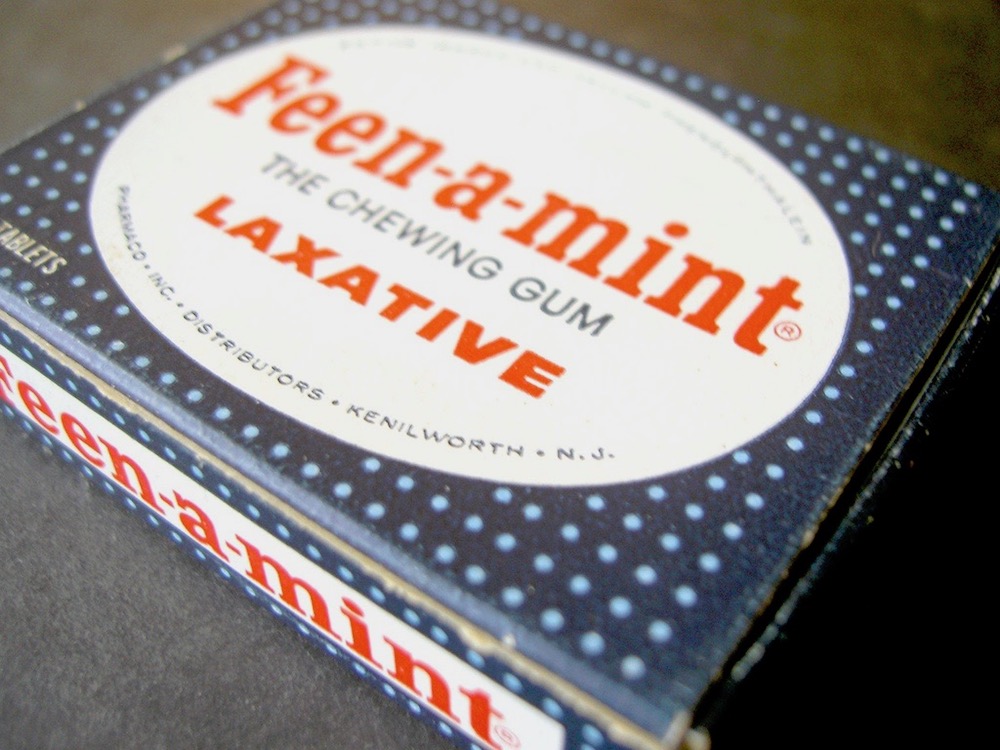
Yes, it even comes in a chewing gum, or once did.[/caption]These products, if taken irresponsibly, can have detrimental health effects. In some instances, those effects may even prove fatal. In fact, a 2014 report from CBS News notes that the Food and Drug Administration had received 13 death reports resulting from someone using laxatives.The real problems lie with dehydration and abnormal electrolyte readings. With the dehydration threat, the laxative expulses fluids from the body at such a rate that rehydration is vital.If you fail to do that, it may cause serious health issues. On the electrolyte side, abnormalities may lead to further complications, primarily kidney damage.While 13 is not a massive number of deaths in a year's time, it's still worth being concerned about, particularly when you or someone you know is using the product without doing the proper research.According to Mona Khurana, M.D., a medical officer in FDA's Division of Nonprescription Regulation Development, "The bottom line is that these products are safe for otherwise healthy adults and older children for whom dosing instructions are provided on the Drug Facts label as long as they follow these dosing instructions and don't take the product more often, or in greater amounts, than the label instructs."
![image]()
Credit: Science Museum, London. Enemas were used to insert liquids into the rectum as medical treatments. This syringe is made from ivory. Enemas are still used today as a method for delivering medicines into the body, treatment for constipation or as part of alternative medical traditions.
Enemas
As you can see from the rather disturbing image above, enemas have been performed for quite some time, and they're not without their useful functions.An enema is a process by which you inject fluid into the lower bowel through the rectum. The primary purposes of this are to cleanse the bowels or relieve constipation.While it's typically (and best) carried out in a medical setting, you can buy your own kits over the counter if you're feeling particularly adventurous. Because the fluid has such close access to the digestive tract, it doesn't take very long for an enema to work. (About five minutes.)
Reported side effects include the following:
- Headaches
- Vomiting
- Dizziness
- The inability to urinate
- Severe or sudden stomach pains
- Diarrhea
- Rectal bleeding
- Bright red bowel movements
- Fever
- Uneven heart rate, or a heart that beats too slow or fast
- Blackouts
OTC or not, you'll definitely want to consult with a doctor before doing this one. It's commonly used to treat impacted bowel.
Magnesium
Magnesium citrate can be taken for constipation, and as colon cleanse products go, it's a pretty easy one to handle. It works by easing bowel tension and drawing water into the intestines to help push stool through more gently and effectively.It can take anywhere from 30 minutes to six hours for magnesium products to take effect, as in produce a bowel movement. Some of that has to do with the amount of stool still in your system and how far along it is in the digestive tract.
- Appendicitis
- Kidney issues
- Irregular levels of potassium, sodium, chloride, and/or phosphate
- Stomach or colon blockages
- Chronic or long-term constipation
- Heart problems
As with other products and methods, limit use.
Herbal Teas
EnzymesEnzymes can be purchased and consumed as supplements. They're especially appealing in the world of alternative medicine because they drive pretty much all of the body's metabolic processes.One noteworthy quality is their assistance in cell regeneration, which comes in handy in the large intestine.As High Colonics
High colonics are an increasingly popular way to go for those who don't feel comfortable administering enemas or taking products without direct supervision.The high colonics process, also known as colon irrigation, consists of the practitioner using a pump with low pressure or a gravity-based reservoir to flush gallons of water through a small rectally inserted tube into your body.Once the water is in the colon, an abdominal massage process begins, leading to a release of the water back through the rectum as you would handle a normal bowel movement.High colonics use a greater volume of water or liquid than a typical enema. They also may be adjusted to comfortable levels of water pressure and temperature.One last item of note: the practitioner may not use water alone. Popular additives include probiotics, enzymes, herbs, and even coffee. It's vital that you know what is going into your body to avoid any allergic reactions.An entire irrigation process will last for around 60 minutes. Notifying your PCP before submitting to this cannot be emphasized enough.
![image]()
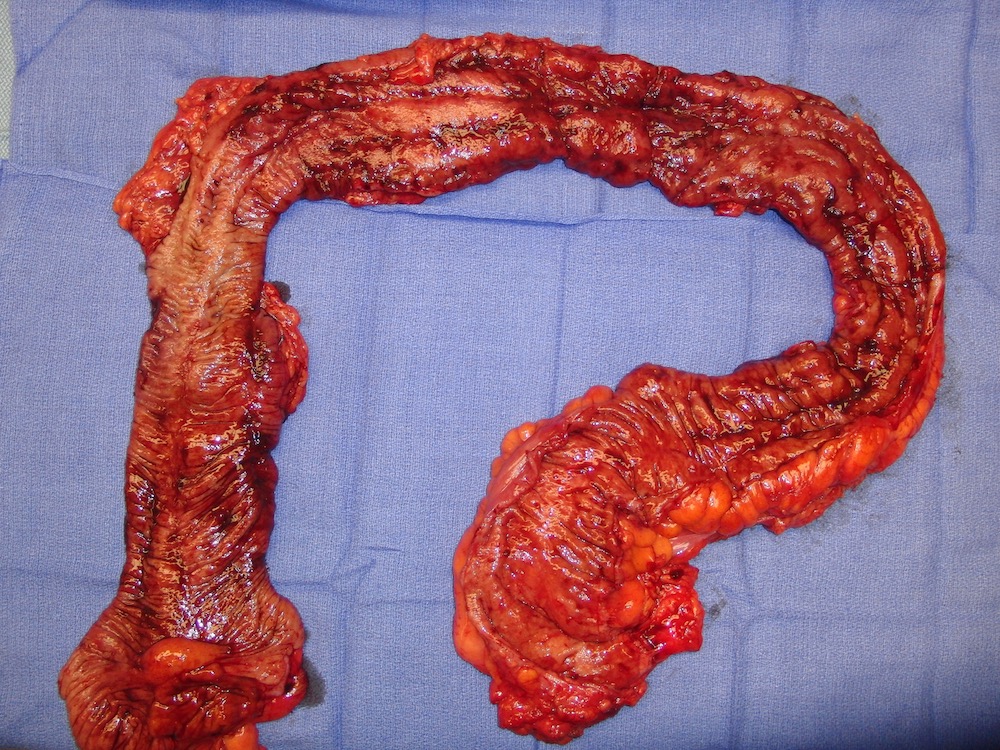
Shown here, a human colon, also known as the large intestine. This is what pushes waste through your body, out the rectum for a bowel movement.
So Is a Colon Cleanse a Bad Thing?
So far, it sure seems like we're deterring you from getting a colon cleanse. But that's not the case at all. Many people swear by them, and when you try anything and experience the benefits for yourself, no amount of medical prodding in the world is likely to convince you otherwise.To understand where the line is on this type of product or procedure, it's important to first go through the health benefits alternative medicine practitioners will espouse. Here are the most common:
- Healthy bowel function: chances are pretty good that if your bowels are functioning properly through diet alone, you don't need any extra help. However, millions of Americans suffer from conditions like irritable bowel syndrome, and no matter how much fiber they eat, it doesn't get rid of the condition. Proponents of colon cleansing recommend it as a helper in the process. How do you know when you should be concerned? The Mayo Clinic features a handy guide to stool colors -- what they might mean as well as their possible dietary fixes -- at this link. If you run a few "hacks" based on the color, diet causes, and proper fiber intake, and you're still having issues, then a colon cleanse might be a good option. Just consult with your doctor first.
- Increases energy levels: most colon-cleanse practitioners in the alternative medicine space prefer it because of the efforts that it makes towards ridding the body of toxins. Typically, healthy functioning intestines and liver are capable of body detoxification on their own. But millions of people across the globe aren't so fortunate. When toxins release into their bloodstream, it causes negative effects all-around. As a result, energy levels plummet, and you just don't feel like yourself.
- Improves concentration: intestinal issues worry us. There's no getting around it. When things aren't functioning properly back there, all signs point to cancer, even when the issue is simply something you ate. Regardless, your mind isn't where you need it to be. If you have a job or a heavy class load, this can compound your levels of concern. As a result, grades or performance start to suffer.
- Prevents bouts of constipation: two types of people in this world when it comes to losing in the digestive lottery. Those who pick diarrhea, and those who pick constipation. Either way, it's a loss. On the one hand, diarrhea is acidic and can do heavy damage to your rectal area. Because it happens with such great frequency, it can make you fear that next trip to the bathroom (and there are many to fear). Constipation, however, is no day at the park. While you know it has to come out eventually, it causes cramping and bloating and can be every bit as concerning. A colon cleanse can help you avoid having to experience it.
- Gives you a weight loss boost: now don't believe anyone who tells you that a colon cleanse is the answer to all your weight loss problems. After all, the human body only holds about 1-4 pounds of fecal matter at a time, and if you're on a once per day bowel movement, then it's probably just 1-2 pounds. But no, you're not losing 1-2 pounds per day through stool because you're also replenishing it through the food and drink that you put into your body. The bottom line: it's not a long-term strategy. However, it can ignite a spark for weight loss, particularly if you watch your calorie intake and increase exercise levels. Any weight loss strategy takes time and commitment, but by ridding the body of waste and seeing the scale tip downward, it can give you a unique psychological edge for embracing the things that really matter.
- Improves colon health: your colon is your large intestine. Alternative medicine practitioners argue that it's an organ susceptible to unhealthy mucus buildup derived from eating unhealthy foods (such as red meat). With that buildup in place, it's possible that toxins are escaping from the large intestine and entering the bloodstream. Once the toxins are in your bloodstream, it feeds into a variety of other conditions. So it behooves you to keep that thing cleared out as much as possible. Now, can a colon cleanse do anything special the body can't do on its own already? In normal circumstances, probably not. But as you get older, you do have to be on your guard against dysfunction. That's why colonoscopies are recommended when they are.
The Natural Solution
No one likes to talk about this stuff. Believe us, we get it. But as we've established, not all digestive systems are blessed with perfect health. Men and women experience conditions that require something more than diet and exercise.But before determining whether you're a special case, you should try to employ some natural solutions that can improve your digestive health immensely.At the top of the list: what you eat. Your food intake is probably the greatest factor in overall health. Simply put, it's garbage in/garbage out. Regardless of whether you end up doing the colon cleanse or not, try to incorporate these behaviors into your daily life.
Track Your Macronutrients
Two of the most important components to keep an eye on include fiber intake and sugar. Adding refined sugar to your body creates a host of problems, digestive being only one of them.You want to cut back on candy and doughnuts and ice cream and any other type of unhealthy dessert as much as possible. But beyond that, start reading labels before you put food into your body. You'd be surprised by how many "healthy" protein bars are loaded in sugar. Avoid, avoid, avoid.On the other hand, try to consume at least 25 grams of fiber per day -- including soluble and insoluble -- and see if your health is improving.If you're not seeing enough positive effect, consider upping the amount to 30 or 35 grams per day. Metabolism is different for everyone, so the adjustment may be necessary before you start seeing positive results.
Drink Water
Different doctors prescribe different amounts when it comes to proper water intake. The baseline is around 64 ounces per day, but what you'll find as you eat the appropriate amount of fiber and protein, is that you may need more. Some of us are up to 144 ounces per day with zero complaints.
Exercise
One of the major reasons to get a colon cleanse is to eliminate toxins from the body. Exercise helps you do this as well while providing a host of other benefits to bone density and muscle groups.If you're keeping tabs on the things you're eating, doing your best to eat right, and drinking plenty of water, then exercise will be a lot easier for you. That's because the extra water helps with muscle functioning, and proper fiber and protein amounts feed the muscles so that they can perform at optimum levels.
![image]()
In Closing
A healthy colon cleanse program begins with how you treat your body. The things you put in it, how much you exercise. But it extends to having awareness for what else may be going on beyond the obvious. At the end of the day, you are your own best healthcare advocate.As such, a colon cleanse over-the-counter product or a professional irrigation may be worth considering. However, it's important to listen to what your doctor has to say about it first and foremost.From there, make sure you read ingredient labels or ask questions of your practitioner to make sure the solutions and materials used are okay for use.Now it's your turn, readers. How many of you have ever had, or are currently undergoing, colon cleanse procedures? What have some of the benefits and side effects been for you? Sound off in the comments section below.