
For all gardeners, the ultimate dream is creating beautiful, thriving flower beds and vegetable gardens without one weed.
The following steps should help you eliminate those weeds.
Try Soil Solarization
Soil solarization kills weeds, insects, and soil borne diseases. Simply cultivate the soil, smooth it out, irrigate it to twelve inches, and then cover it for four to six weeks with plastic that is anchored with soil along the edges.
If your area has a short growing season, Dr. James J. Stapleton, an Integrated Pest Management plant pathologist, suggests either solarizing your garden in sections or holding off gardening for one season. Dr. Stapleton points out that soil solarization not only rids a garden of weeds and pests, but it also creates a more nutrient-rich soil.
Become a Cultivation Minimalist
Usually, you start gardening by breaking up the soil to make it easy for plants to establish their roots. However, Fine Gardening Magazine states that cultivating your garden brings more buried weed seeds to the surface where they can germinate.
They suggest that you keep the digging to a minimum to keep weeds to a minimum.
Install Borders Around Gardens
Creating a border makes it harder for weeds to spread into your garden. Either dig a ditch around your gardens, or bury bricks, tiles, or pavers six inches into the ground to prevent roots from entering while making sure they are high enough that weeds cannot spread over the top.
Check your borders weekly to make sure errant weeds are not invading.
Use Cornmeal as a Pre-emergent Herbicide and a Nitrogen Soil-enricher
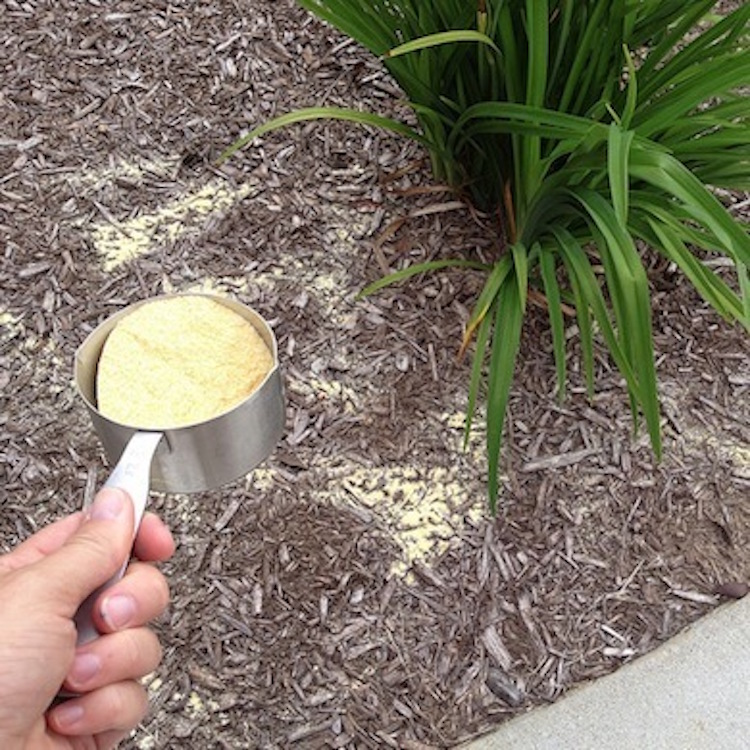
Corn meal contains corn gluten, which kills seedlings before they emerge through the soil. However, it doesn't eliminate existing weeds.
In addition, Bob Vila recommends that you do not use cornmeal until you are done planting seeds and your plants are thriving. Cornmeal's added advantage is that it adds nitrogen to the soil as it breaks down.
Ground Cover Plants Leave No Room for Weeds
Ground cover plants leave no space for weeds in your flower beds. If the flower bed is full of plants you have chosen, weeds will not be able to get the light, water, and nutrients they need to grow.
So, add some color and texture to your flower beds with ground cover, and keep out the weeds.
Mulch
Mulch works like ground cover while giving your flower beds a more finished look. It also helps keep the soil moist. It comes in a variety of colors and textures, and as it breaks down, it adds nutrients to the soil.
A two inch layer of mulch is sufficient. Before you spread out the mulch, you can wet down the soil and spread out a layer of newspaper strips. The newspaper adds a second layer to choke out weeds, and as it breaks down, it also adds nutrients to the soil.
Pull the Weeds
These steps above reduce the number of weeds, but they won't make your gardens completely weed free. Birds and wind carry seeds into your gardens, so some weeding is still necessary.
To make it easier, weed when the soil is moist. Make sure that you grab the weeds at the bottom, so you pull out the roots. Weeding frequently keeps weeds from spreading, and it is easier to pull younger weeds than more established weeds.
If you have a compost pile, throw the weeds in it. Barbara Pleasant explains how to make sure that the weed seeds are destroyed while composting the weeds. Barbara recommends adding compost to your garden because it enriches the soil.
She suggests that weeds are nature's way of attempting to enrich the soil, and that weeds disappear when that job is done.
Instead of Digging Up Weeds, Cut Off Their Tops
If you have weeds that are too hard to pull, cut off the top as close to the ground as possible. Most weeds will not come back, but some will.
However, they will eventually disappear after you have cut them back a few times.
Practice Water Conservation While Depriving Weeds of Water.
If your plants are scattered around your garden, do not water the weeds by watering the whole garden. Hand water plants, or use drip or soaker hoses under the mulch. This greatly reduces weed seed germination.
Maintain a Thick, Healthy Lawn.
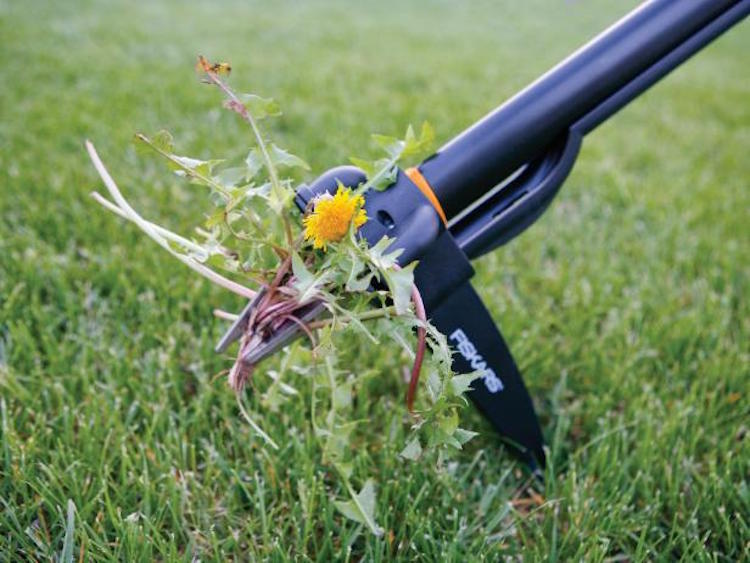
Maintaining a thick, healthy lawn, keeps the weeds out of your lawn, so they cannot spread to your gardens. The DIY Network suggests theses steps to maintain a thick, healthy lawn:
- Weed
- De-thatch
- Aerate
- Sow grass seed
- Mow appropriately
- Water and fertilize
Control Weeds with Natural Herbicides
The most popular natural herbicide is a solution of two cups of vinegar, one-half cup of salt, and a small amount of dish washing liquid. The dish washing liquid helps the solution adhere to the leaves of weeds, and it can be added to any of the natural herbicides suggested here.
Fill a spray bottle with any of the liquid solutions, and apply it to the weeds carefully. Do not get it on any other plants.
Other natural herbicides include:
- White or cider vinegar, full strength or with a 50/50 water mix
- A solution of one cup of salt and two cups of boiling water
- Plain table salt or rock salt applied directly on weeds
- Baking soda spread in the cracks in your patio, sidewalks, and driveway
- Boiling water poured directly on weeds
Salt, however, makes soil barren and can damage concrete.
You can also use a weed torch or handheld blow-off to apply just enough heat to wilt the weeds. Don't set them on fire, and don't use a weed torch on plants like poison ivy. Toxic oils from such plants can get in your eyes and lungs.
If you use any of these natural herbicides, heed this advice from Derek Markham, "Just because these are 'natural' or homemade herbicides, that doesn't imply that they couldn't harm your soil, your garden, or your person.
An herbicide is a 'substance that is toxic to plants', which means that your garden plants are just as susceptible to these treatments, they could have a negative effect in the soil if applied in large quantities, and they may cause human injuries if misused."
Get Rid of Those Garden Weeds Today!
Watch this video below by Paul Pyro to better understand and remember these tips. Then use these steps to grow more of the plants of your choosing and fewer weeds.