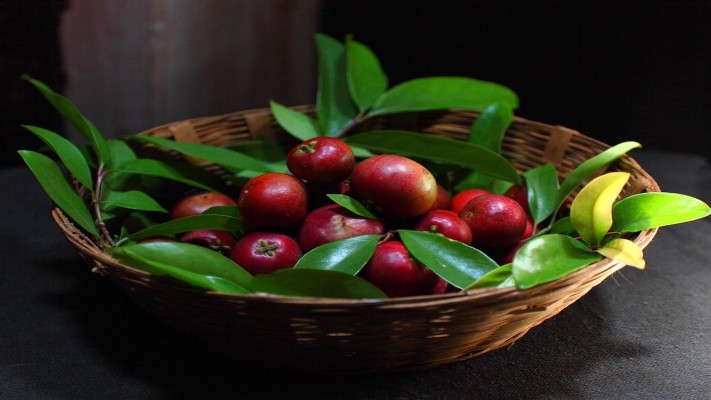

The kokum plant is a popular superfruit, also known as Garcinia indica. It is part of the mangosteen family, which is generally found in the tropics and bears fruit with purple rind and a usually cream-white interior.
The fruit has a somewhat controversial history in North America, particularly the US, where there was a ban on it for a number of years due to fears over the Asian fruit fly. The ban was lifted in 2007.
Since that time, we've been able to learn more about the beneficial health and beauty characteristics of the plant along with some tips on the best way to incorporate it into our daily lives.
Any understanding of what kokum is should begin with how it's grown and where it traces its roots.
Where Does the Kokum Plant Come From?
The kokum plant tends to thrive in evergreen forests, especially in temperate and tropical climate zones. There are around three dozen species located in India alone and about half are found only in that region.
One of the big draws about kokum is its cultivation method. These fruits do not require fertilization, pesticides, or irrigation techniques for cultivation.
They're a truly pure" fruit with a relatively long shelf life. They also can be processed in a number of ways for dietary, beauty, and wellness reasons. In the next section, we'll be touching on the many faces of kokum and how each one is intended for use.
What Are the Different Forms?
Kokum plant fruit doubles as both a multi-use spice and a food. As such, it can be incorporated into a number of products. Here's a small sampling:
- Different foods: The kokum fruit is edible with little preparation time needed. Just throw it into a dish to add a little spice. And we mean spice in the traditional sense, not the "set your mouth ablaze" way that you're probably thinking. The heat factor is very mild. The taste is a pleasant degree of sour and can enhance a number of recipes, including curries, soups, skillet-fried potatoes, and eggplant.
- As a beverage: You may want to group the beverage use under "different foods," but it's our belief it deserves its own recognition. That's because, in certain parts of India, it is specifically designed to be sold as a beverage to counterbalance the hottest months.
- In candles: The spice of the kokum fruit mostly derives from the rind. It's peeled, dried, and used as a "flavoring" for candles and other aroma-friendly products. The result is a slightly sweet and sour aroma that will turn any room into a pleasant place to be without overpowering people with aroma sensitivities.
- As an ingredient in topicals: the most popular use of kokum in the beauty industry - for reasons we'll get into later - is kokum butter. This appears in a number of everyday products such as soap, lotions, toiletries, cosmetics, and as an active ingredient in many body butter products.
However you decide to incorporate kokum into your daily routines, the evidence suggests that it has something for everyone.
In the following section, we'll be discussing many of the ways kokum has been reported as enhancing the overall health and well-being of the people who use it, whether through food, drink, or beauty product.
The Many Benefits of the Kokum Plant
The scientific research behind kokum is still in progress, so we have a lot to learn. But what we can do is look at how long kokum has been in use in its native India and related regions.
The earliest mentions of the mangosteen plant family go back to the 15th Century, and it's likely it was in use long before that from both a medicinal and dietary perspective.
Malaysia, Borneo, the Phillippines, and Southeast Asia are the primary locations where you'll find it. And while correlation is not causation, many of these areas report higher life expectancies than in other parts of the world. The fact that kokum is in everyday use in such cultures make it a relatively safe-to-try fruit.
As for the actual benefits, one need look no further than in its makeup of antioxidants and anti-inflammatory properties. Here are just a few of the conditions that it's used for.
Losing Weight
Many see the kokum plant as an agent for promoting weight loss for two specific factors. Firstly, it contains high levels of hydroxycitric acid, or HCA acid, which is known as a natural suppressant of appetite.
Most of the literature recommends taking kokum on an empty stomach, particularly as a mid-morning meal replacement to help push through midday so you don't overdo it at lunchtime.
Secondly, if you are eating a little too much sugar, kokum can prevent the conversion of those sugars into fats, meaning that it can "force" your body into burning the sugars as energy instead of setting it aside to collect around your waistline.
Deriving these benefits from kokum can produce quick results provided you're not overeating and maintaining healthy exercise or activity levels.
Mitigating Diabetes
One of the great offshoots about controlling your weight is that kokum consumption can assist you in avoiding diabetes. As recently as 2015, the American Diabetes Association notes, almost 10 percent of the population - or just over 30 million US residents - suffered from diabetes.
Diabetes can lead to more serious health complications, and it's often found in people struggling with obesity, which, in turn, can give rise to heart disease and a variety of other potentially deadly conditions.
While there is no evidence that kokum will cure diabetes, it certainly has the qualities to help you control your diet and make healthier choices. That can help you avoid diabetes altogether, or it can pull you out of the danger zone.
Shutting Down Ulcers Before They Can Develop
In Indian medicine - often referred to as Ayurvedic - kokum is a go-to for helping treat sores and infections. That goes for the inside as well as the outside. Peptic ulcer disease (PUD, or ulcers on the stomach) affects between 30 and 45 million people in the US alone.
It can result in anemia, low blood pressure, and even a hole in the small intestine or stomach wall.
In extreme cases, ulcers can turn deadly and lead to the spillage of stomach contents into the rest of the body. Due to the potentially lethal nature of an ulcer, you should not use kokum as a medical treatment replacement, but it can be of service in easing the inner turmoil. Discuss this and other healthy foods with your doctor if you're dealing with a stomach ulcer.
Fighting Back Depression
It's hard to say just how many people are affected by depression at any given time. That's because not everyone talks about their depression, even with their medical physicians. But depression can manifest in a number of unhealthy and potentially fatal ways.
Kokum, particularly the rind of the fruit, showed antidepressant effects in an encouraging 2017 study performed on mice. Different rodent groups - one kokum-fueled, the other not - were given a "forced swim test" to determine levels of distress.
The ones that had the rind showed markedly lower levels of distress in their ability to deal with the depressive effects.
Calming Anxiety
In addition to depression, the above-mentioned study showed that mice were able to perform better under pressure, keeping their wits about them when they needed to the most.
Mice are good stand-in subjects for examining the effects of a substance on human beings. The scientific community has been translating test results across species for decades.
If kokum has the proven ability to limit anxious feelings and effects in one, then it could be worth a try if you struggle with depression or anxiety.
Guarding Against Free Radical Damage
Free radicals are uncharged molecules that can be highly reactive to chemicals, thus breaking free and damaging cells throughout the body.
They're often used in conjunction with talk about cancer, and they've even been charged with helping to cause some of the deadliest forms. You can read more about the damaging effects here.
As it turns out, the HCA acid that kokum uses to suppress appetite also can guard against damage caused to cells by these rogue molecules. We wouldn't go so far as to say that kokum prevents cancer, but this is unquestionably an encouraging benefit in relation.
Boosting Cognition
Garcinol is one of the core ingredients of the kokum plant, and it doubles as an antidote to neuron oxidation.
In other words, garcinol can maintain the integrity of the neurons that power your brain's performance. As a result, kokum may be beneficial for your ability to think and reason.
Preventing Dementia
Piggybacking on No. 7, this quality of the kokum fruit also makes it a potentially impactful tool for preventing dementia or limiting its progression.
Aiding Heart Health
Heart disease is one of the deadliest killers in the world, and it develops as the result of high cholesterol, high triglycerides, and high blood pressure.
Kokum plant fruit helps stabilize the levels of cholesterol that have built in your bloodstream, making it easier for the veins and arteries to pump blood throughout your body.
Enhancing Vision
One of the core ingredients for improving blood flow throughout the body is vitamin C. Thankfully, plums from the kokum plant are loaded, and they promote good circulation to the eyes, which may enhance your vision through regular use. Switch off with carrots and other eye-friendly foods in addition to yearly checkups.
Getting You Through Allergy Season
Inflammation is a major driver of allergic reactions and symptoms during the primary seasons. If you have a lot of trouble whenever the seasons turn, consider incorporating kokum plant fruit into your daily diet.
They contain many anti-inflammatory properties that may be helpful in relieving symptoms such as coughing, congestion, sneezing, and hives.
Easing Digestion
There are three primary causes of poor digestion - excessive acidity, constipation, and gas-buildup. The kokum plant addresses each one through its ability to control appetite, lower acidity, and counterbalance heat and pressure.
Daily or weekly consumption of kokum plums could make it easier to make wiser food choices and stay away from the types of toxic foods that rile up your digestive system.
It also reduces the level of gas that leads to upper and lower GI problems as well as embarrassing flatulence and heartburn.
Healing Cracked Heels or Skin
Many of the examples we have used thus far have been kokum from a dietary perspective. But it's also considered helpful in the cosmetics/skin care industry, particularly when it comes to hydrating patches of skin that break down from heavy pressure or use.
The heel of the foot is perhaps the biggest target area for mangosteen-based products like kokum butter lotions, soaps, and creams.
Protecting the Liver
A 2015 article in Outside Online highlighted the efforts of a Chicago-based startup called Sant to bring kokum to the US as a popular performance drink. The goal is to get Americans accustomed to dropping dried kokum strips into their water.
When you do this, it stains the water red and produces a tart-flavored drink that has been used to help people recover from hangovers. It's also suggested that kokum may have recuperative effects for athletes.
Slowly but surely, the last three years since that article was written have seen more widespread acceptance of the fruit, and now you can regularly purchase it through Amazon and health-food stores and websites.
After your next workout, try some and note the effects that it has on your recovery. You may want it to become a regular part of your post-workout routine.
Strengthening Your Overall Immune System
In traditional Indian medicine, the kokum fruit is believed to help the liver improve its detoxification processes. Eliminating waste from the body in all its forms and methods can only strengthen the immune system, giving it the ability to fight off a number of sicknesses, allergies, and ailments.
Exhibiting Anti-Fungal Properties
To get more specific, the immune boosting qualities of kokum have manifested as an effective anti-fungal. This could give it the ability to treat intestinal parasites, making it a go-to for the next time you get a stomach bug or food poisoning.
Declaring War on the Aging Process
The aforementioned kokum butter is a popular addition to many beauty products. Industry experts see it as a valuable resource for smoothing out wrinkles, strengthening roots and luster of hair, and fending off some mild skin conditions.
From a dietary perspective, kokum may exhibit anti-aging qualities in the following ways:
- By improving digestion
- Helping you keep off the weight
- Enabling your body to achieve higher physical performance levels
- Supporting faster recovery times so your activity levels don't have to wane with age
It's not the fountain of youth per se, but it has a tremendous potential upside to it. Give it a shot whether you're buying from the grocery store or salon.
Reducing Body Heat
Heatstroke is a condition brought about by the body overheating. It can vary by person, but the typical body temperature of someone experiencing it is 104 degrees Fahrenheit (98.6 degrees is considered a healthy average). Heatstroke typically requires a lengthy period of exposure.
In its native India, kokum plants are seen as a great counterbalance to the condition. In fact, there is a cold beverage that infuses kokum fruit in coconut milk and/or water, and in addition to tasting delicious, it is seen as a possible antidote that lowers overall body temperature and brings balance in the most extreme environments.
Supporting Those Who Experience Paralysis
Kokum has been incorporated into diets by many who have experienced some form of partial paralysis. The fruit's antioxidant qualities are able to maintain healthy cellular performance, though they're not going to do much good in extreme cases (as with paraplegics and quadriplegics, for example).
If you have certain areas that "go numb" on you, then consider eating a kokum plum or dropping the dried strips into your water. It's possible that it could stimulate blood flow in a great enough quantity to return temporary losses of feeling.
Addressing Delays During Your Period
Another centuries-long Ayurvedic usage for the kokum plant involves irregular periods. Many Indian doctors and health practitioners recommend drinking infused beverages or eating kokum plums directly in order to address delays from an overly long menstrual period.
You will want to check with your doctor first, however, to ensure it's safe or healthy, particularly if you're going through a pregnancy.
Easing the Effects of an Ear Infection
In the same way, kokum can be helpful in dealing with stomach ulcers, it also may be able to assist in soothing damages from an ear infection and speeding up recovery time. In Indian medicine, this is a widely accepted method of treatment.
Possible Side Effects of the Kokum Plant
Clearly, kokum has a lot going for it, but like any edible, there can be side effects among a small subset of the population. If you're apprehensive because you've never heard of it or it isn't regularly available in your area, here are some possible side effects to inform whether you decide to try it.
- Can aggravate skin irritation: mostly the effect of kokum is to repair and heal damaged skin, particularly around areas that receive a lot of wear-and-tear (the aforementioned heal of your foot). But in some cases, it can irritate the skin. It's particularly likely to do so when applied to areas where irritation already exists. If you notice the problem remain or worsen, then consider ceasing use for a while to see if the condition improves. If it doesn't, consult with a doctor.
- May exacerbate high blood pressure in some cases: the more-often-reported qualities of kokum are that it actually helps with the heart and circulatory system's performance. But in some cases, consumers of kokum as an edible can experience an uptick in blood pressure. It's unlikely that kokum will be the cause, rather instead of an irritant of an already-existing condition. Monitor your pulse after use, and if it's racing or you feel flush, check your blood pressure. For high readings, you'll definitely want to consult with a doctor. HBP is a warning of a potentially more serious event. Don't let it go unchecked.
- Could lead to the onset of metabolic acidosis: one of the main jobs of the kidneys is to remove excessive acids from the body. When that fails to happen, it can result in a condition known as metabolic acidosis. The symptoms of metabolic acidosis include fatigue, shallow breathing, a lack of appetite, feelings of brain-fog or confusion, increased heart rate, and jaundice. In extremely rare cases, kokum fruit has been reported as having a hand in triggering this condition. It is unlikely this will occur for the casual user, but if it does, you should seek help from a doctor and stop using.
In all these cases, it should be noted that the scientific evidence of a direct link is scant, and we've still got a lot to learn about whether it's a true cause or whether it agitates a more serious existing condition.
In Closing
Kokum is not a commonly occurring fruit in the US, and the scientific study of its effects still have a lot of unexplored territories, so it's understandable if you're shy about picking up some the next time you're at a fruit stand or supermarket. But there have been tons of promising reports, and it's been in common use for decades overseas.
We recommend giving it a shot to see if it can help with any of the issues described above. And if you're already using kokum, how have you been doing so, and what has your experience with it been like? Share your thoughts in the comments section below.