

The term "leaky gut" is an admittedly unpleasant one, but it is worth discussing because it could be contributing to several health issues. There are many misconceptions out there regarding the function of it and whether it is a disease unto itself or an outcome connected to something else.In the following article, we will be discussing the symptoms, treatments worth considering, and how the medical community views it as a threat to your overall health. But first, let's get into what it is and what it is not.
Leaky Gut vs. Leaky Gut Syndrome
So What Should Your First Step Be If You Suspect a Leaky Gut Issue?
- Bloating: this is a condition of feeling "overstuffed" immediately after a meal and in the moments following. For most of us, it's just a matter of eating too much and it takes care of itself. When the feeling persists, however, you could have a problem.
- Gas: can occur at multiple points in the digestive system from the stomach to the upper GI. It also can result in some embarrassing problems that may make for humorous scenes in funny movies, but when translated to real life, are no laughing matter.
- Cramps: these often accompany bloating and/or gas. They can feel like sharp, stabbing pains throughout the digestive track, particularly in your large intestine.
- Food Sensitivities: if you're one of the lucky ones, you may just need to stay away from the occasional food to avoid adverse effects -- buffalo sauce, anyone? -- but for people suffering the symptoms of a leaky gut, it can be enough to effectively ruin a day.
- Aches and pains: gut health often runs parallel to overall health. If something is wrong with how you process food and absorb nutrients, then it will naturally take a toll on the rest of your body, and make you less eager to do the types of things that lead to a healthy lifestyle. After all, no one every feels like working out or staying active when they're sick to their stomach.
Who Deals with Leaky Gut?

Gastroenterologists deal with leaky gut and other ailments of the stomach.
What is a Gastroenterologist?
- Abdominal ultrasound: allows the doctor to view abdominal organs and structures from the outside.
- Abdominal X-ray: can be done to check for a block or hole in the intestine.
- CT Enterography: often used to examine the patient's reaction to a treatment for underlying conditions such as Crohn's disease (one of those often linked to leaky gut).
- MR Enterography: also provides detailed information on the small intestine, including any issues or abnormalities.
- Upper Gastrointestinal Series: you swallow a special beverage, then submit to X-ray testing of esophagus, stomach, and duodenum (first part of the small intestine).
The Best Exercise Advice for Leaky Gut Sufferers
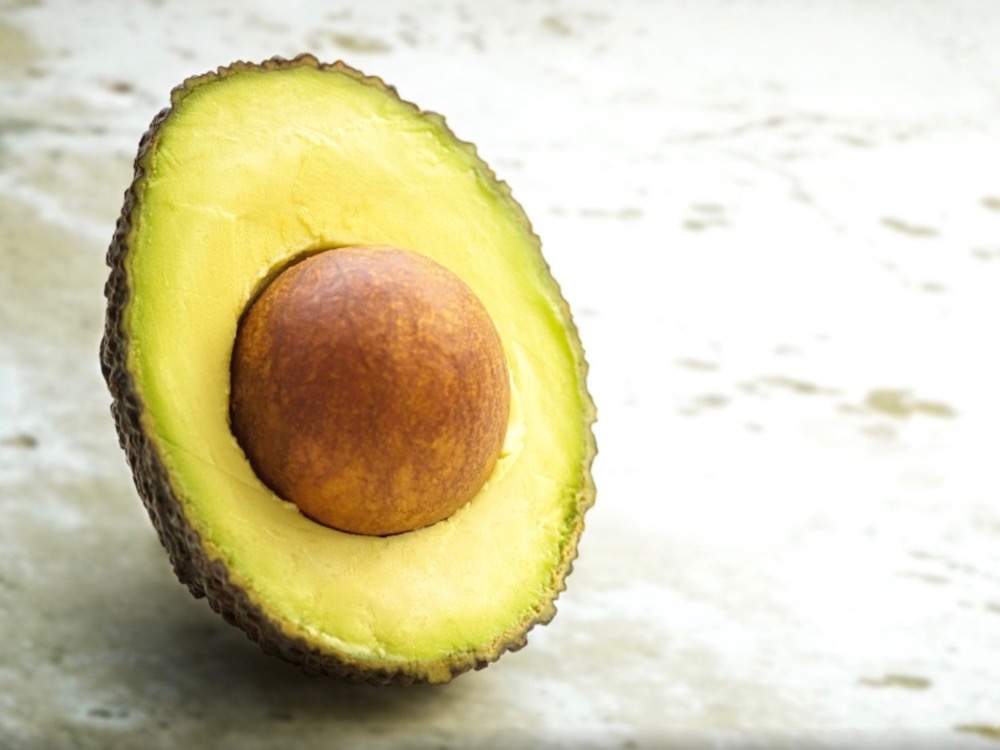
Leaky Gut Foods: The Good, the Bad, and the Ugly
Steamed Veggies
Fermented Non-Dairy
As for the rest, stay away from long expiration dates. Try to eat foods that you know to be sourced from local farms. Foods not treated by antibiotics or fed with food sources that are affected by chemicals.Shop more at farmers' markets for meat and less at the local grocery store, unless said grocery store has an organic selection.
Fish
- Depression and anxiety
- Visionary problems
- Impaired brain health and cognition
- Heart disease
- ADHD (in children)
- Bodily inflammation
- Autoimmune diseases
The Bad (and Ugly)
- Gluten: a bad idea because it increases zonulin production, and zonulin is a protein that helps loosen those junctions that keep the antigens and toxins from escaping into the rest of the body. It just so happens that gluten also is the number one cause of leaky gut.
- Grains: because most grains contain gluten, and even the ones that don't contain the difficult-to-digest phytic acid.
- Refined Vegetable Oils: these can cause inflammation of the intestinal lining. Examples include sunflower, soybean, and canola oils.
- Refined Sugars: sugar promotes yeast, and yeast can choke out your gut's "good bacteria" like a UFC champion could a drunken bum from the audience.
- Artificial Sweeteners: these also waste away healthy gut bacteria. Aspartame is one of the biggest offenders, and it's found in most artificially-sweetened beverages.
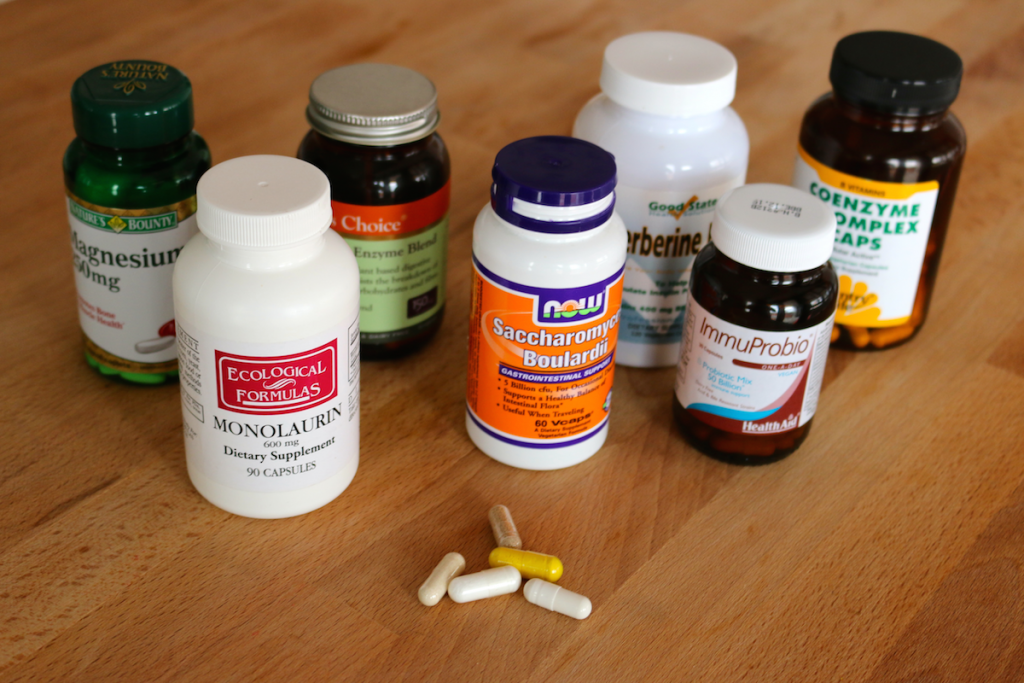
Leaky gut supplements primarily fall into the probiotics category. Probiotics are "good" bacteria that help stave off the bad.
Non-Food Aids in the Fight Against Leaky Gut
Probiotics
Fiber Intake Pills
L-glutamine
Other Supplements That Can Produce Similar Results
- Licorice root: aids in the absorption of and helps to metabolize cortisol
- Collagen powder: also found in bone broth
- Quercetin: helps retain tight junctions
- Anti-fungals: for balancing good and bad bacteria in the gut, similar to probiotics
- Hydrochloric acid with pepsin: breaks down proteins before allowing entrance into the small intestine.
- N-acetyl glucosamine: a stomach and intestinal lining protector
- Protease: known for breaking down proteins and gluten
- Amylase: known for breaking down starches
- Lipase: known for breaking down fats
- Lactase: a good one for breaking down the lactose when consuming dairy products