
Having low humidity might be a problem, especially during the winter months. It can lead to static electricity, dry skin, worsening of allergies, and increased susceptibility to flu and colds.Since buying and running a humidifier will cost a significant amount of money, finding ways to increase the moisture in your air without this expense might be the best solution.To help you improve the air in your home, here are some simple ways to naturally humidify your home.

1. Take full advantage of your stovetop
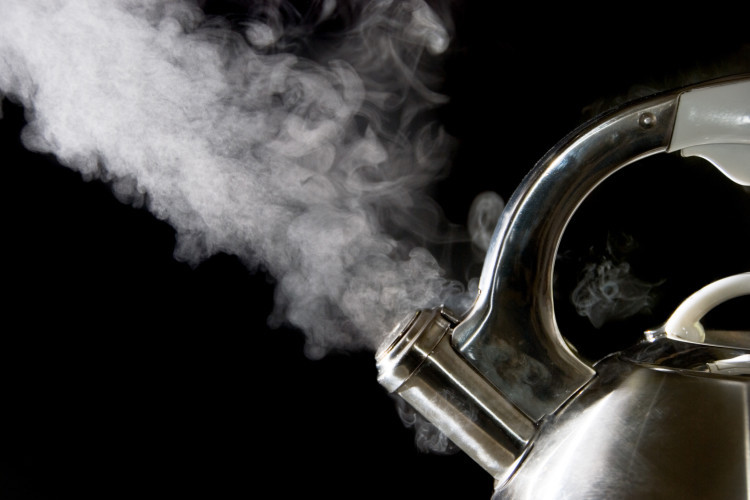
Maximizing your stovetop cooking is one of the best and most effective ways to increase the level of humidity inside your home. Let a pot of water simmer on your stovetop and take full advantage of the moisture released.You can add herbal spices to the water if you want to fill your indoor air with pleasant scents. If you typically use a microwave to heat up your morning cup, switch to a tea kettle instead. If you use your stovetop, the resulting steam will fill your indoor air with much-need moisture.Remembering to turn the stovetop off before you leave the house or go to bed is an important stovetop safety tip.
2. Humidify by placing water-filled containers in strategic locations
Placing water-filled containers near the sources of heat in your home creates the same effect as letting a kettle of water simmer on the stovetop. According to experts, setting out water-filled containers is an effective humidity-boosting solution.When your furnace is going full tilt, often during the cold months, fill up metal or ceramic bowls with water and place them over or in front of heat registers. When warm air from your heat pump flows over the water surface, it will pick up moisture and push humidity into the air.During the hotter months, you can place water-filled containers on sunny window sills. Moisture will be released into the air as the water slowly evaporates.
Related: 10 Reasons to Use An Essential Oil Diffusers In Your Home
3. Finding and sealing potential air leaks works like magic
In addition to robbing your house of warmth, air leaks can reduce the level of humidity inside your home regardless of whether you choose to run your air conditioning system or not.You probably know that air leakage often occurs around windows and doors. However, you can have air leaks in less-obvious locations. According to home energy professionals, identifying all the gaps, including the less obvious, is the first step to proper home insulation.Once you've identified the leaks, seal them up to create a more comfortable environment.
4. Don on an extra layer of clothing and turn down the heat
The AC in your home is one of the leading causes of dry indoor air. Bundle up by putting on some extra clothing and turn the thermostat down if not off.According to various findings, there are many ways to stay warm without turning up the thermostat, all of which you can use to your advantage.
5. Complement your d©cor and humidify your home with houseplants
In addition to being great for decoration, houseplants will clean and humidify your indoor air through transpiration. As the plants breathe, moisture will evaporate from their leaves and stems, adding humidity to your indoor air.Unfortunately, dry homes can be tough on almost every plant, including hard-to-kill houseplants. You should, therefore, keep your houseplants well watered as the fight for humidity continues. In addition to ensuring your plants don't dry out, misting their leaves with clean water increases their humidifying potential.Since misting the leaves makes some plants susceptible to disease, make sure yours don't fall into this category. Grouping several houseplants together might help them create a humid micro-climate in surrounding spaces, meaning the containers won't dry out as quickly.
6. Give your dryer a rest and use a drying rack instead
Same as air conditioning units, dryers rob the surrounding air of moisture. In place of the dryer, use a rack to dry your clothes at room temperature. Your clothes will release moisture into your indoor air as they dry, increasing the humidity in your home.Although it might take a little longer, you will also save on energy costs. Statistics show that average households can save at least $200 every year on energy bills if they choose to air dry their clothes instead of using a clothes dryer.Run your clothes lines in areas with adequate air flow to dry the wet garments promptly. In this way, you will keep mold and other microbes from growing on wet fabric.
7. Although it might interfere with your privacy, shower with the door open
Try to leave the bathroom door open when taking a nice, steamy shower, especially if doing so won't compromise your privacy.Because it will allow the steam created to flow out into surrounding rooms, leaving the bathroom door open is one quick way of adding some extra moisture to your indoor air and boosting the humidity in your house.
Related: 10 Reasons Why You Should Install Solar Panels For Your Home
8. Not draining the tub is not necessarily unhygienic
If you prefer taking a bath to showering, then refrain from draining the tub once done. Recycle your bath water by allowing it to. You can take full advantage of the residual heat and add a little humidity to your indoor air if you drain the water a while later.Because of its large surface area, your bathtub holds enough water when full to provide a lot of moisture. Also, any air that will come into contact with cooling water is bound to carry away a little humidity.
9. Unplug and set your hair dryer aside for the winter
Some small appliances use heated air to perform their respective tasks, and the hair dryer falls into this category. Just like the dryers used to dry clothes, hair dryers dehydrate their surroundings as they run, albeit on a smaller scale.On the other hand, allowing hair to dry naturally increases the amount of moisture in the air, just the same as hanging up wet laundry. As such, you should consider putting your hair dryer away.Your hair is likely to retain moisture better as the level of humidity in your house increases, and might even become more manageable.
10. Improve the aesthetics of your house with an indoor water feature
You probably wouldn't want to spend your hard earned cash on a new indoor fountain for its pleasing sounds and attractiveness. However, indoor fountains are far more than decorative pieces that produce background noises.Since the surrounding air will absorb some of the water that moves in a fountain, it will most likely impact the humidity inside your home over time. However, the strength and amount of water flow determine the amount of moisture provided.While a small fountain might be ideal for the bedroom, larger spaces will need a bigger water feature to make a notable difference.An indoor waterfall adds a wild element and soothing energy to your home and as demonstrated in this video, building a water feature can be a do-it-yourself project.
Time to Humidify Your Home Naturally Today
We are constantly trying to make the quality of our lives better, and humidifying your home is one of the ways to achieve this goal. Aside from the health benefits, humidifying your home naturally is cost-effective and eco-friendly.Although each of the techniques mentioned above is effective in boosting humidity, you do not have to execute them all at once. You can pick the ones that stand out the most and knock them off the list. Start small and do one at a time. You have the time to do them all, so don't be in any rush.