

The great outdoors is filled with plants that have mystifying properties. You'll find plants that heal just outside your front door. You can find plants that kill, too. But what about plants that do both?Plants that heal and kill offer some of the most interesting natural resources. Learning about these plants can be fascinating -- and just might save you from making the wrong choice when you're out foraging.While the list of plants that heal and kill can grow long, let's take a look at some of the most notorious ones in existence.
Foxglove
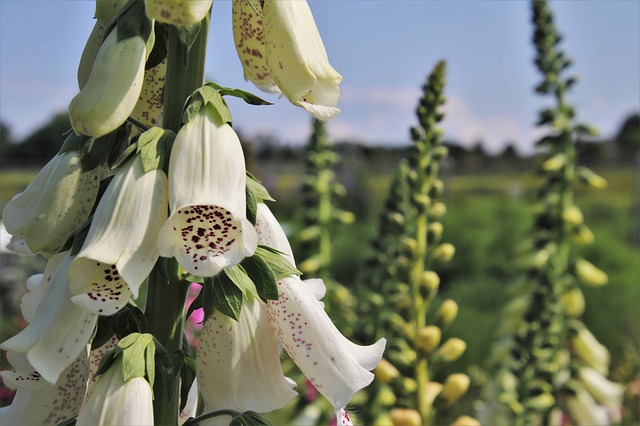
Most people recognize foxglove by its tall spires of pretty, bell-shaped flowers. But this plant does far more than just beautify woods and roadsides.
History
Today, we consider foxglove a weed. While the plant comes from Europe, it has spread and thrived in North America long enough for the USDA to The name foxglove comes from an old Anglo-Saxon term foxes glofa, meaning glove of the fox, since the flowers look like fingers from a glove.
Deadly attributes
This dangerous plant contains foxglove poisoning include changes in heartbeat, confusion, blurred vision, weakness, and headache. If someone sustains foxglove poisoning over a longer period, they might even hallucinate.
Healing qualities
In spite of this danger, foxglove plays a key role in modern heart medicine. Chemicals from the plant are used to make
Calla Lily
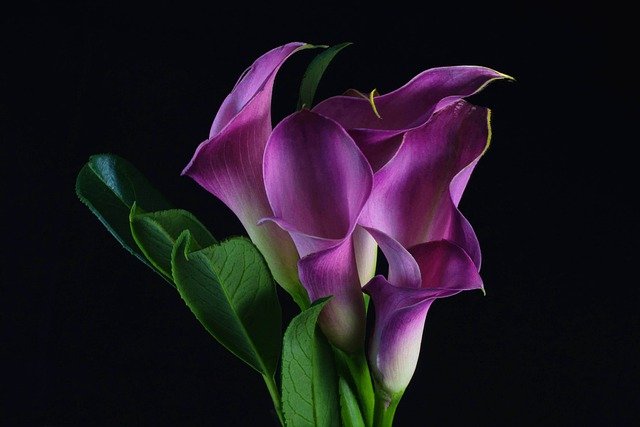
In the calla lily, we find another pretty flower and another one of the plants that heal and kill. These striking white, cup-shaped flowers offer more than meets the eye.
History
Deadly attributes
Healing qualities
While some lilies can safely be eaten, calla lilies technically aren't true lilies and aren't safe to eat.However, they do get
Oleander
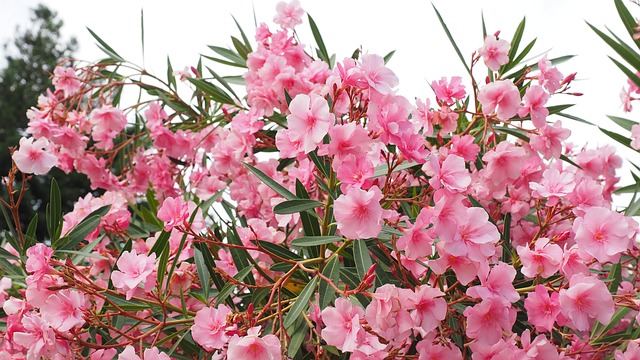
These evergreen shrubs have bright, striking blooms that grace many home gardens -- and they're also another of the plants that heal and kill.
History
In the U.S., oleanders arrived in Texas from the Caribbean in 1841. Their popularity spread fast in the surrounding residential areas.However, the history of oleanders stretches back further than that. These shrubs decorated homes in the ancient world too: they've been found in the
Deadly attributes
Healing qualities
While these plants that heal aren't suited for self-medicating, they've still been used as medicine many times.In
Blue Cohosh
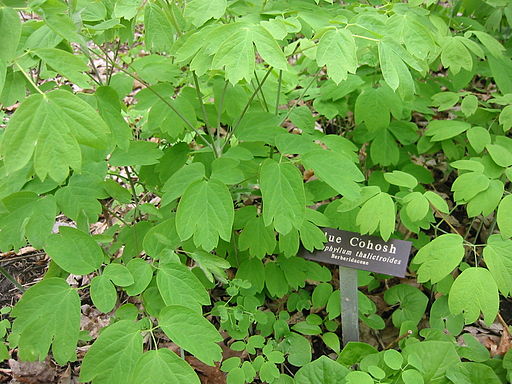
Blue cohosh doesn't look as striking as the other plants on this list, but it does have blue fruits and blue-green foliage that make it easy to recognize.
History
Deadly attributes
Healing qualities
More Plants That Heal and Kill
In the above list of plants that heal and kill, none are suitable for home remedies. However, if you want to harness the healing power of plants, you can try one of these anti-viral, antibacterial, or anti-parasitic alternatives.These herbs can kill viruses, bacteria, and parasites without causing you harm:
- Aloe vera: This plant helps skin heal and even clears acne, thanks to its antibacterial properties
- Goldenseal: This antibiotic herb can also treat colds and allergies
- Garlic: You might already use garlic in cooking, but you can also use it to ward off cold and flu viruses
- St. John's Wort: This popular plant for treating depression and appetite loss has anti-viral properties in high doses
- Tea tree: Tea tree offers a fresh scent, but helps kill parasites like lice too
- Birch: The oil of birch can combat fungal infections, ringworm, acne, and other skin conditions

What Will You Do with Plants That Heal and Kill?
The world contains many plants that heal -- but only some of those healing plants can kill, too.The four main plants that heal and kill on this list aren't safe for self-medication. They can only serve decorative purposes -- and only if you know no children or animals nearby will try to eat them.But our shortlist of anti-viral, antibacterial, and anti-parasitic plants offers many safe uses. What will you use these natural remedies for -- or have you tried them already? Leave a comment and share your experience!