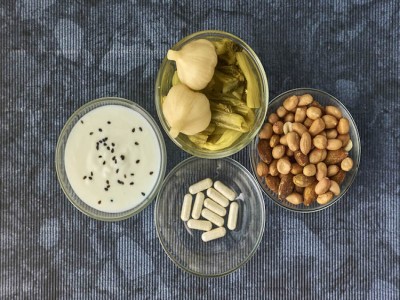

Probiotics benefits and the foods/supplements that carry them never really occurred to me until I was faced with a situation that brought me face-to-face with death.If you're here wondering whether

A Little Thing Called 'C. Diff.'
Clostridium difficile, or "C. Diff." as it is commonly referred to in the medical community, is Satan's little way of bringing Hell to Earth courtesy your large intestine.
From Healthy and Active to Making Out a Will
When you're in your early 30s, you start thinking about things you can do to be healthy, realizing that you've ridden the coattails of a teen/young adult's metabolism as far as they'll take you.My journey led to
![image]()
What Are Probiotics?
Probiotics are simply microorganisms which many believe have health benefits in humans and animals.The problem with something like C. Diff. is that you can take a round of antibiotics specifically tailored to it, seemingly kill the stuff, and then have it come back with a vengeance a few days later.C. Diff is sneaky and adaptive. You can think you've killed it, but you haven't. Some of the surviving microorganisms lie in wait until you're done with the antibiotic round, then they quickly repopulate.I went through three different rounds of antibiotics myself before the wife finally suggested a probiotics supplement. We bought one over the counter on that same Christmas shopping trip.I had given up on ever being well again, so figured there was nothing to lose.
What Do Probiotics Do?
With my fourth and final round of antibiotics, I started taking a refrigerated
![image]()
Also Consider Probiotics When
Probiotics primarily are used whenever there is an imbalance in gut bacteria, but what many people fail to realize is that the imbalance can manifest in a number of forms that they may not realize have anything at all to do with digestion.If you can change your gut, you can change your life. That's because a number of studies already have shown the link between imbalanced gut bacteria and other health conditions, such as:
Constipation, Gas, Bloating, and Heartburn
You don't have to have a horrifying condition like C. Diff. to benefit from probiotics. You also may consider use of these products and upping your fermented food intake if you're experiencing other digestive issues like constipation, gas/bloating, and heartburn (otherwise known as acid reflux).
Mental Sluggishness
Imbalances in gut bacteria have been linked to several mental issues ranging from the severe (autism/depression/anxiety) to everyday fogginess and obsessive compulsive disorder.
Stress
Being "stressed-out" often is seen as a weakness in our society even though virtually everyone experiences it.No matter.We're as hard on (or even more hard on) ourselves for letting stress get to us as others are. When feelings of being overwhelmed start to arise, we often tell ourselves to "just get over it" or "power through."While the words may be said with the best of intent either by ourselves to ourselves or from other people their direction is tepid at best.Researchers have determined that a balanced digestive ecosystem is a more effective way of managing stress. Essentially, if you are processing and discarding food in optimal fashion, then your body will be better equipped to deal with unpleasant, unexpected, and unwanted scenarios as they arise.If you feel stressed-out all the time, if you often feel anxious or suffer from high blood pressure, probiotics can help you get your gut in order.
Skin Issues
What Are Some Examples of Probiotics?
When purchasing products that contain probiotics, you likely won't look beyond that one word, but there are different types of probiotics, and we're going to talk about a few of them right now.
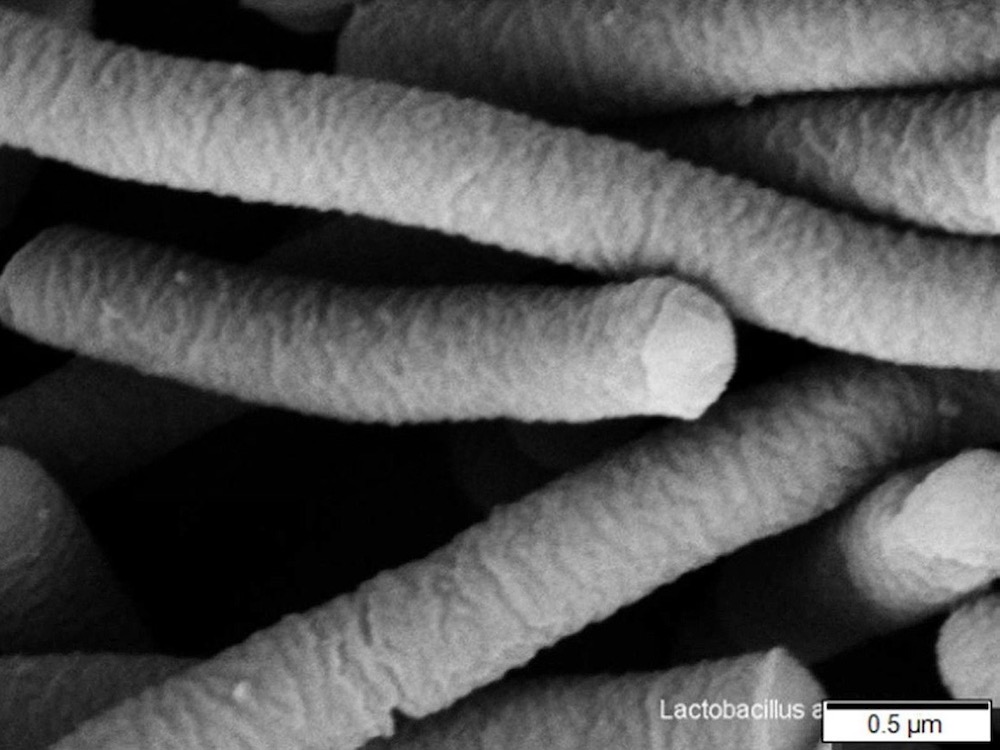
Probiotics bacteria under the microscope
Lactobacillus Rhamnosus
Lactobacillus rhamnosus as "a powerfully beneficial non-colonizing bacterium that is part of the lactic acid producing genus," adding that it is found in a wide array of probiotic supplements.It has been used "to treat or prevent diarrhea caused by rotavirus and other viral illnesses in babies and children." It also has been used by individuals suffering from Crohn's disease, lactose intolerance, or vaginal yeast infections.
Lactobacillus Casei
This particular bacterium is found in the human intestine and mouth, and it has a wide pH and temperature range. It can aid in the digestion of carbohydrates.It also has a reputation among many for reducing inflammation, which makes it especially beneficial when it comes to dealing with conditions such as arthritis.
Lactobacillus Johnsonii
This bacterium is referred to as a "vaginal bacteria" because it propagates largely in the female reproductive system.As one probiotics manufacturer points out, it is included in the coating of a newborn upon delivery, and the child will ingest some of it, making it possible to better handle and digest breast milk.Given that detail, it's only natural that supplement manufacturers use it to combat digestive problems related to lactose intolerance.
Bifidobacteria
The function of Bifidobacteria is not unlike the other types on this list. The three "main" jobs include "breaking down foods, helping the body take in nutrients, and preventing the take-over of 'bad' bacteria."Any microorganisms that fall into this family will likely show up on supplemental products that claim to feature probiotics.
How to Maximize Probiotics Benefits
There are a few different ways that people take probiotics. Of course, the best way to do so is through the foods you consume in your everyday diet (fermented).Popular selections high in probiotics include the following:
- Sauerkraut
- Yogurt
- Tempeh
- Kefir
- Kimchi
- Kombucha
- Miso
- Pickled Cucumber
- Natt
- Microalgae
- Kvass
- Olives
- Apple Cider Vinegar
- Dark Chocolate (70% or higher)
The other most popular form for taking probiotics is through an enclosed capsule, which can be either refrigerated or non-refrigerated. There also are liquids and powder mixes that you may choose to incorporate.Our recommendation: jump back and forth from one type to another every month or two.Mixing it up could keep the bad bacteria off-guard so they're never quite sure how to fend off an attack.
Are Probiotics Completely Safe?
It seems like a no-brainer of a question, but as we are about to see, there can be side effects. That said, for all intensive purposes, you're not going to come to harm taking probiotics.That's because they are comprised of the healthily occurring bacteria that are already in your gut doing all of those things mentioned above. While effectiveness will vary, the strains of the bacteria themselves are safe to ingest.
Probiotics Benefits and Frequency: How Often Should You Take?
The number of probiotics that you take in a given day will vary greatly depending on the source, but just to give you an idea, take Culturelle's capsule.If you are age 12 or older, the company recommends taking one daily, and each capsule contains 10 billion "active cultures," which is pretty solid for a probiotic product. But try not to get too hung up on the number of cultures advertised on the packaging.While higher is better in theory, storage and the types of strains selected can make it difficult to know whether you're getting the full effect whenever you pop a pill or throw down a beverage.Many probiotics supplements require refrigeration at all times, so if you leave yours out overnight, you may find that your next dosage has pretty much a placebo effect.The best recommendations to combat this:
- Follow the storage practices described on the packaging.
- Take each dose as directed.
- Don't let a supplement "stand in" for consumption of probiotics through your diet. In other words, keep eating high-quality, fermented foods.
- Pay attention to the quality of your bowel movements and make note of any improvement (or lack of improvement).
When Should You Take Probiotics?
My general rule of thumb for taking a probiotic is, it never hurts to be sure.While some will recommend never taking a supplement on an empty stomach, others will tell you to take it in between meals. While some will say "first thing in the morning," others will say "before you go to bed at night."The when is not as important of a factor as the quality of the probiotic that you are putting into your body.
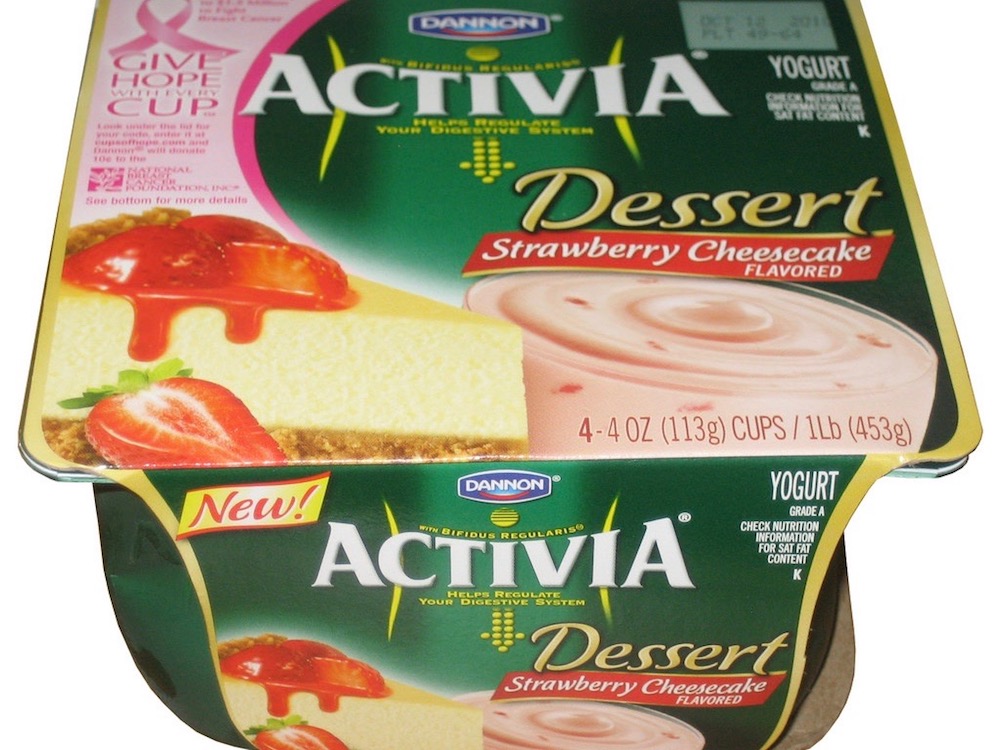
Probiotics are found in yogurt and other fermented foods
So How Can You Tell The Quality?
So much of the answer to this question lies in personal experience. You have to be willing to experiment and give an honest assessment of the effects on your body. While some probiotics supplements can prove to be very expensive, others are highly affordable.Recommendation: don't assume that paying more will net you best results. In fact, if anything, I would go the opposite direction.Start with a low-cost probiotic supplement. If you notice any changes for the better, stick with it.If you are satisfied but still experiencing the occasional problem, consider upping the number of cultures and/or going with a more expensive option. If you are receiving no benefit, then try a product with a higher quality reputation.And as previously suggested, don't hone in on one single probiotic supplement and cease experimentation. You can come back to ones that you've tried in the past, but mix it up with a few other products as well.
What Are Best Storage Practices for a Probiotic Supplement?
As we have previously alluded to, probiotics have a reputation for being refrigerated products. The reason is that many of the strains of probiotics are sensitive to heat and can die off if left out for too long.That may not kill all of the cultures, but it can certainly result in a less effective product if that's the way the product was formulated.Fortunately, the storage approach for refrigerated probiotics is not a difficult one. Most of the bottles are relatively small, and they should easily fit into a space on one of your refrigerator shelves.Whatever the temp currently is (at least while the unit is functioning normally) should be cold enough to maintain the integrity of the cultures.If you fear that integrity has been compromised by the storage conditions, don't toss out the whole bottle. Instead try upping the dosage from one pill to two.It is not going to kill you, and you shouldn't even worry with it at all if you are still satisfied with the quality of your digestion.Same rule applies when it comes to taking a probiotic that is slightly past the expiration date. The worst case scenario is that you take a capsule that isn't as effective or effective at all.The best case scenario is that it still yields the results you're hoping for. The middle-ground scenario is that you have to take two instead of one.
Now For The Side Effects
Side effects of probiotics are minimal, but there have been reports, and they do exist. Healthline notes five of the most commonly occurring
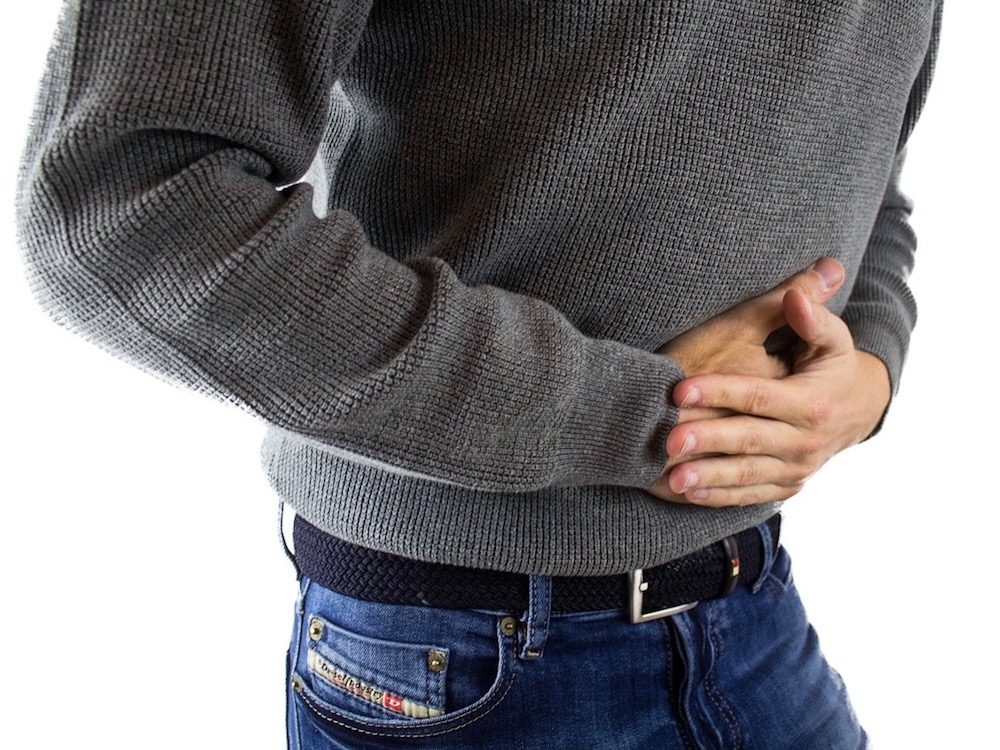
Probiotics in too great of a supply could lead to gas and bloating.
Other Steps You Can Take to Maximize Probiotics Benefits
Once more before signing off, it should be noted that we still have a lot to learn about probiotics from a scientific standpoint. We know they are not a specifically harmful substance, but we also know their effectiveness can vary from one person (and product) to the next.Results also may be helped along by other actions you take. For example, as mentioned earlier, you will want to effectively manage your stress levels.
In closing
From 2010 to 2014, the probiotics industry grew from $23.1 billion to $31.3 billion, a jump of more than 35%. While these products are no miracle cure for everything that ails you, numbers like these demonstrate that many of the people buying them believe they are receiving satisfactory results.You may, and you may not. But thinking more about probiotics benefits can lead to you paying greater attention to what you are putting into your body. And once you take control of your gut health, you will notice other aspects of your health start to flourish.