

If you ever worked in your family's vegetable garden as a kid, you probably noticed that most things were green. There might have been a few splashes of yellow, red, and orange among the plants.Would you ever have imagined purple vegetables on your plate?Here are a few colorful characters that you may consider for your garden this spring:
Purple Tomatoes
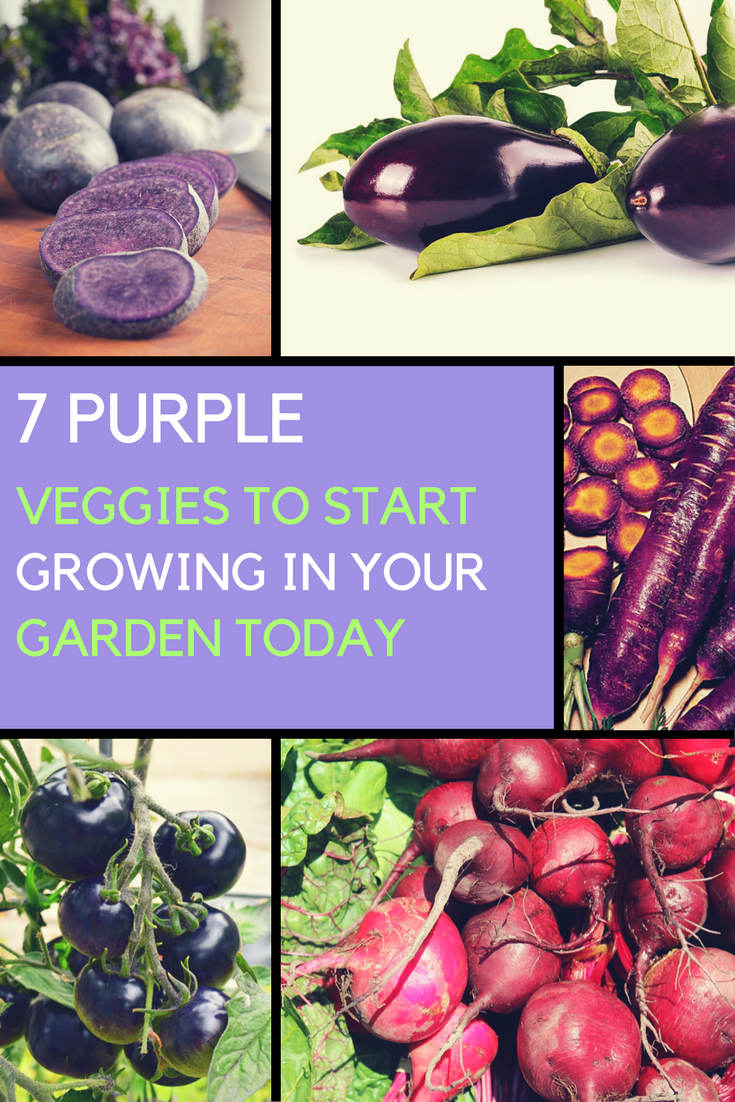
The venerable tomato is one of the easiest vegetables to grow. I love to eat them fresh from the vine. Tomato cultivars range from the tiny cherry tomatoes to the whopping beefsteak varieties. Other than the classic red, you have probably seen orange, yellow, green, and striped varieties.If you want to add a wow factor to your salads and sandwiches, you might try purple tomatoes. The Indigo Rose tomato was introduced in 2012, and has a deep bluish/purple color.They grow on vines that get about five feet tall. These purple beauties also make a lovely salsa or marinara.
Purple Potatoes
According to Eggplant
In the purple invasion of the vegetable kingdom, eggplants are probably the most familiar. Their shiny purple skin is full of phytonutrients that fight things like heart disease, high blood pressure, and even cancer, says Care2 Healthy Living. The inside of the eggplant contains a lot of beneficial fiber.If you enjoy eggplant Parmesan, then you will be surprised with the many other ways it can be dished up for your family table. Eggplants grow on vines and are not difficult to grow in abundance.You will have enough to share with your friends.
Related: 15 Epic Hacks For The Most Successful Vegetable Garden Ever
Purple Carrots
The first time I saw purple carrots at a farmers market, I was hooked. I gently roasted them in the oven for a spectacular side dish. They have a deeper flavor profile than their orange cousins that is buttery with a hint of nutty. The smaller ones are better, since the larger ones tend to be slightly woody.If you have any experience in growing carrots, you know that they are not an easy crop to grow. They prefer loose and sandy soil and a lot of care. Purple carrots are worth trying if you are planting carrots this year.Purple Okra
No Southern cook would think of making a pot of gumbo without okra. It also finds its way on the table fried, pickled, or steamed. While most okra is various shades of green or sometimes a white cultivar, you can really jazz your gumbo up with the purple variety.Just think of the surprised look on your friends' faces when you give them a jar of your pickled purple okra. Since purple and other colors of okra love the heat, it grows best in the South.You may have some luck a little further North during a hot summer. Make sure it has plenty of sunshine and water.
Beets
Other than eggplants, beets are a purple vegetable that most people know. After sugarcane, beets are a major source of sugar production. Beets are as beneficial to your mental health as they are for your physical health.One of the most popular ways that beets are served is pickled. You may be surprised at their sweet nutty goodness when they are baked. Not only are the root parts good to eat, but beet greens add a special nuance to your salads. The crunchy stems are also a culinary delight.Beets are a cold root crop that you can grow in the spring or fall. If you live in an area that has colder temperatures, you do not have to worry about your beets. They actually thrive in the chilly conditions.
Purple Cauliflower
You may have enjoyed raw white cauliflower in veggie dips, or steamed as a side dish. Cauliflower is a relative of broccoli, and has a fresh, earthy crunch. Unfortunately, many cooks like to boil it, which makes it soggy and causes it lose much of its vitamin content.Cauliflower is filled with vitamins and minerals that are good for you. For an extra punch, you might try the purple variety. Time to Eat Your Purple Veggies