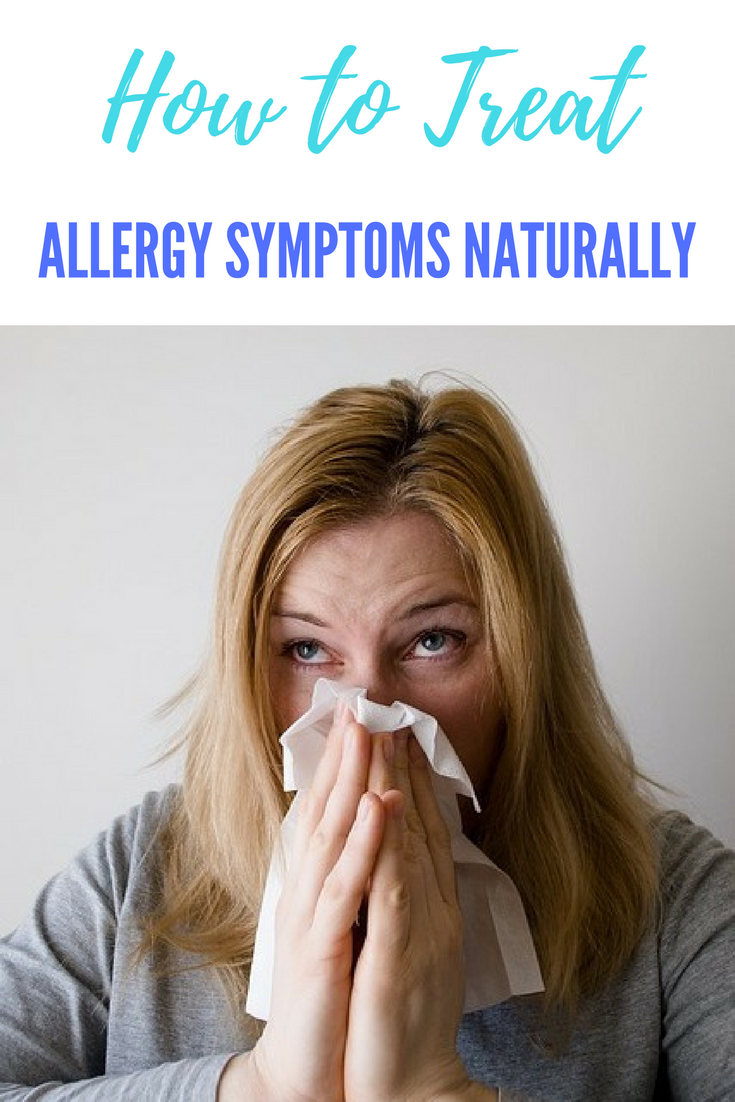
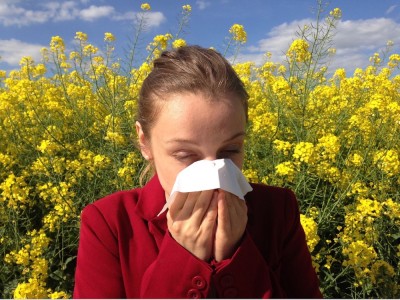

Seasonal allergies can make you dread each passing season no matter how beautiful the scenery or fun the activities are that go along with it.It particularly can be troubling when you and your partner do not align during your "worst times of the year."Perhaps only behind money and cheating, it can drive a major wedge into relationships especially when you are wanting to pick daisies but your significant other needs a Hazmat suit just to join in.How do these awful maladies arise, in what ways do they affect us, and what can we do about them? Keep reading, and we will address each of these questions.
Allergies in Adults vs. Allergies in Children
Seasonal Allergy Symptoms
Rashes: A rash can occur for a number of reasons athlete's foot, hives, poison ivy, eczema and they can originate from fungi, bacteria, viruses, or parasites.Since environment is a key driver of seasonal allergies, any of these conditions could be considered a "seasonal allergy."
Swelling: An allergic reaction that results in swelling can be anywhere from mild to life-threatening depending on whether it affects the lips or the lungs. It also ties into our next symptom.
Asthma: Depending on the severity of the allergy, you could experience swelling in the throat that extends to the lungs and causes severe asthmatic reactions is a life-threatening condition called anaphylaxis.This is common among children who suffer from peanut allergies.
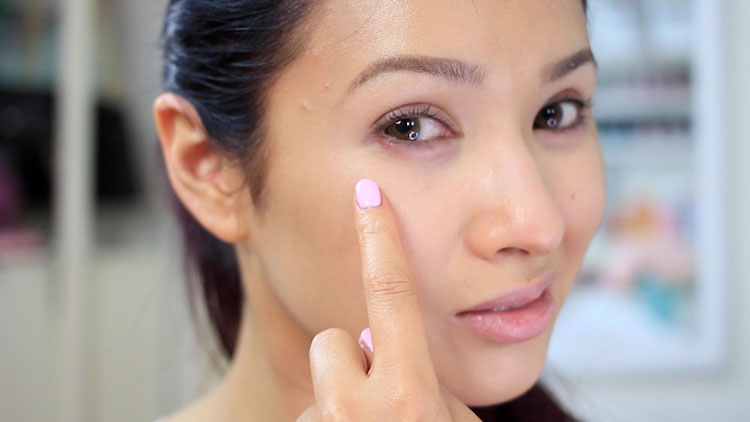
Sinus: Your sinus cavities are common sources of frustration when it comes to allergies. The face holds four sinuses altogether: the maxillary (inside the cheekbones), frontal (low center of forehead), ethmoid (between the eyes), and sphenoid (in the bones behind the nose).When allergens increase or thicken mucus production, a number of things can go wrong ear infections, itchy/runny eyes, runny nose, sneezing, coughing, and sore throat.If you do suffer from any of these conditions, you are in pretty good company. Of the 320 million people currently living in the United States, about 50 million suffer from some form of allergy, and that number continues to grow amid increasing population sizes and environmental changes.But before you assume the problem is seasonal allergies, it is important to note that symptoms can run concurrent to some very different ailments particularly influenza and the common cold.
Seasonal Allergies vs. Cold vs. Flu
Seasonal Allergies and Hay Fever: What's the Difference?

Pet allergies can be a big driver of indoor allergies, but seasonal changes can affect them.
Seasonal Allergies vs. Pet Allergies
Allergens by Season
Springtime Allergies
- Ragweed
- Cockleweed
- Pigweed
- Russian thistle (weed)
- Sagebrush (weed)
- Tumbleweed
- And grasses that include Bermuda, Blue grasses, Orchard, Red top, Sweet vernal, and Timothy.
Fall Allergies
Winter Allergies

Many swear by allergy shots, but like a lot of different treatments, results vary.
What Can Help With Seasonal Allergies?
Do Allergy Shots Really Work?
Among our favorites: probiotics from soil-based organisms (SBOs).That's because the gut dictates so much of how our immune system operates. A healthy gut means a healthy immune system that is better prepared to fight triggering allergens.
Organic or Natural Solutions
Suggestion 1: Purchase an in-home Elliptical, Gazelle, or Treadmill, and use it regularly. If you can't afford the addition, then simply run in place with a pedometer of some kind (phone-based or otherwise) attached to your person.You may feel silly doing it, but it absolutely works, says the guy who used it to help himself drop 40 pounds in a little over a year. That said, you probably shouldn't let anyone see you do it, or much jeering there will be!
Suggestion 2: Consider an affordable gym membership. Places like Planet Fitness charge just $10 per month, offer 24/7 availability, and only ask a small yearly registration fee (something like $35 or $40 as of this posting). Oh yeah, and after you purchase, don't forget to use it!
Suggestion 3: Game-ify your activity levels with a FitBit or similar fitness tracker.
Suggestion 4: Count calories. If you are like millions of Americans, much of your poor lifestyle choices result from simply eating too much.Not tracking your calories will put you on the fast track to overeating, and when you are exceeding allowable calories each day -- even by a little bit -- the extra pounds sneak up on you. Before you start eating right, figure out WHAT you are eating in the first place.
Suggestion 5: Start thinking more closely about what you eat. Once you have calories under control, take a closer look at what types of foods you are consuming.There could be some food allergens lurking in there that you are either severely allergic to, or allergic enough to that they mix with other allergens to produce a more severe reaction during the season that most affects you.Foods to watch out for include chocolate, peanuts, wheat/gluten, soy, shellfish, sunflower seeds, sugar, and artificial sweeteners. Del-Immune V has a more comprehensive list at this link as well as a list of some foods that play nicely with your immune system during allergy season.
Suggestion 6: Take proper precautions when you have to be around allergens. For example, if you are susceptible to common seasonal allergies like pollen and ragweed, then do not attempt to mow the yard without wearing a face mask.Also, spend less time outside during the seasons that are the worst irritators. Last but not least, consider prescriptions and over-the-counter medications to help guide you through the season, particularly during those times when you are going to be most susceptible to allergens. And this final suggestion brings us to the last section.
Allergies, Prescriptions, and Over-the-Counter Drugs
In Closing
Want More Natural Products You Can Use Around Your Home?